
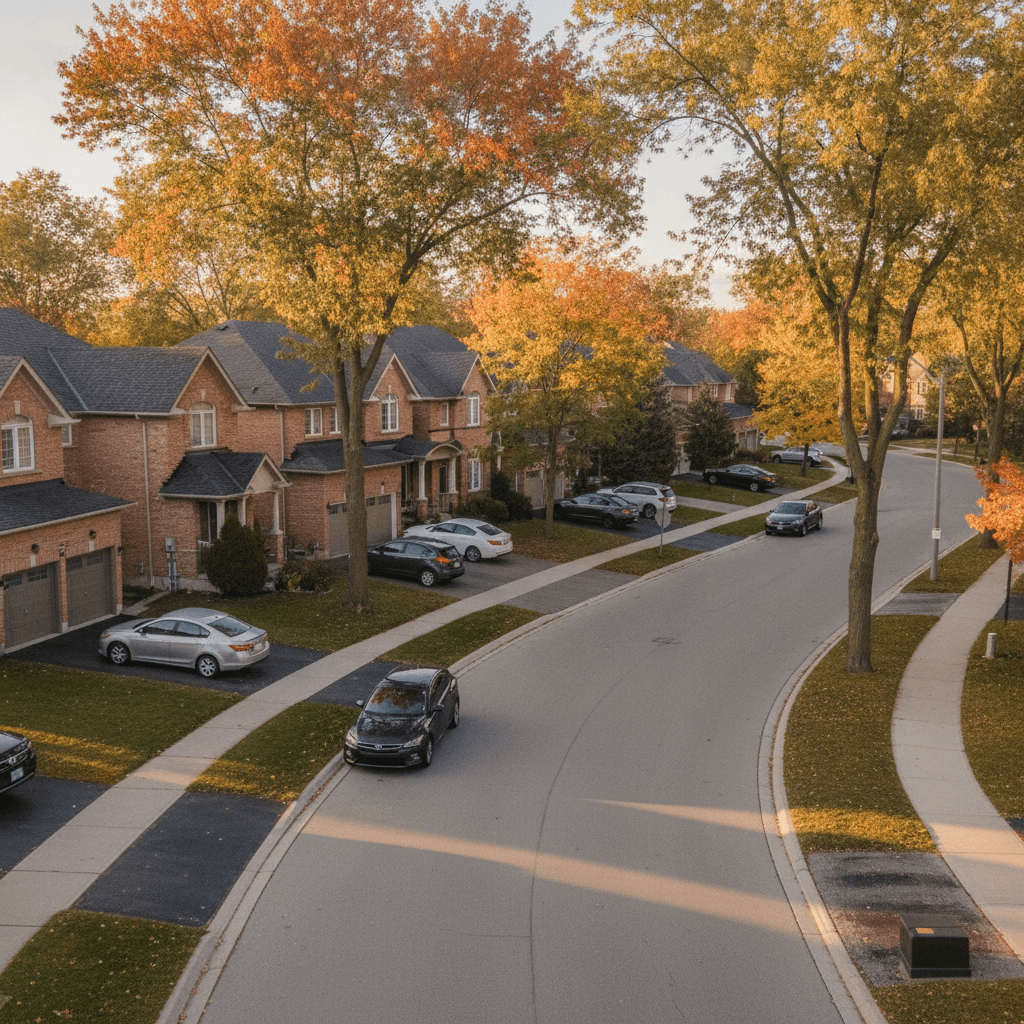
The best time to buy a home in Brampton is typically late August through October, when summer listings linger and buyer competition cools before winter. This window often brings more negotiability and balanced conditions. If you’re targeting move-in before the holidays or the next school term, this timeframe aligns well with typical 30–60 day closings.
By Maunil Shah — Sales Representative, HomeLife/Miracle Realty Ltd., Brokerage • Last updated: 2026-06-23

When is the best time to buy a home in Brampton?
Late August to October is the best time to buy in Brampton for most buyers. Inventory built up from spring and summer meets easing competition, creating a sweet spot for negotiations and realistic pricing. It also lines up with common 30–60 day closing timelines before winter.
Timing your purchase is about supply, demand, and your personal calendar. We look at listing volume, average days on market, and rate-sensitivity. In our experience working with Brampton buyers, late summer to early fall consistently combines adequate choice with calmer bidding.
Overview at a Glance
Here’s the quick view: spring brings the most listings but fierce competition; late summer to early fall offers balanced choice and better negotiating; winter has fewer homes but the most motivated sellers. Your best time depends on your goals, financing stage, and move-in needs.
If you want maximum selection, you’ll lean toward March–May. If you value calmer negotiations and sensible pricing, target late August–October. If you’re a bargain hunter willing to wait for the right fit, winter can reward patience.
| Season/Month | Inventory | Competition | Why Buy Then | Watch Outs |
|---|---|---|---|---|
| March–May | High | High | Largest selection; fresh listings | Multiple offers and faster pace |
| June–July | Moderate–High | Moderate | Good balance post-spring rush | Families compete before school |
| Late Aug–Oct | Moderate | Lower | Negotiation window; realistic pricing | Some listings are older |
| Nov–Feb | Low | Low | Motivated sellers; slower market | Fewer choices; weather constraints |
Our Top Pick: Late August to October
Choose late August to October if you want leverage without sacrificing choice. Post-summer listings meet fewer active buyers, inspections are easier to schedule, and closings can land before winter. It’s ideal for move-ins targeting the holiday season or the January school term.
Why this window stands out for Brampton buyers:
- Leverage improves: The buyer pool shrinks as vacations end and families settle into school. Sellers who listed in summer become more flexible.
- Still-healthy selection: You retain options built up from the spring/summer pipeline.
- Practical closings: 30–60 day timelines comfortably land before winter, which helps with moving logistics and contractor availability.
In our day-to-day work, this period repeatedly yields accepted offers with strong conditions intact. It’s when we often secure inspection, finance, and review timelines without the pressure common in peak spring weeks.
Runners-Up: Best Months to Buy in Brampton (Ranked)
If late summer to early fall isn’t feasible, consider these runner-up windows. Each month balances inventory, competition, and logistics differently. Match the timing to your financing stage, move-in target, and appetite for competition.
2) June
June delivers solid inventory without the fiercest spring bidding. Many families aim to close before the next school year, so pacing can be brisk but reasonable.
- Good fit for: Buyers with pre-approval in hand who want spring-like choice without April bidding intensity.
- Pro tip: Weekday afternoon showings reduce overlap. That’s when we often see more time to assess each home calmly.
3) September
September keeps late-summer leverage while adding fresh fall listings. Sellers returning from vacations price more realistically after reviewing summer feedback.
- Good fit for: Move-ins before winter or early-January. Inspection slots and lawyers’ calendars are usually easier to secure.
- Pro tip: Ask your agent to track days-on-market (DOM) drift; older listings can be ripe for a value-focused offer.
4) October
October is the tail end of the leverage window. Sellers who need to wrap up before holidays are more open to fair terms.
- Good fit for: Buyers who want balanced choice and are comfortable evaluating listings that may have been on the market for a few weeks.
- Pro tip: Request recent comparable sales from mid-September onward to calibrate offers accurately.
5) July
July offers post-spring selection with a slowing cadence. Heat and vacations reduce crowded showings, producing moments of opportunity.
- Good fit for: Flexible schedules and buyers who can act quickly on under-marketed properties.
- Pro tip: Set alerts for listings that relist after a brief pause; we often see negotiability rise when sellers test new pricing.
6) March
March kicks off the spring surge. Expect fresh inventory and faster decision cycles.
- Good fit for: Buyers who prioritize selection and are prepared to compete to win the right home.
- Pro tip: Nail down financing and inspection partners before you start showings to keep pace with offer nights.
7) April
April is peak spring. Momentum is high, open houses are busy, and move-ins can align with summer breaks.
- Good fit for: Buyers with strong pre-approvals and a decisive process.
- Pro tip: Pre-inspections and flexible deposit logistics help you compete without overreaching on price.
8) May
May keeps selection high but competition persists. It’s often where final spring listings appear before a June cooldown.
- Good fit for: Those who missed March–April but still want breadth of options.
- Pro tip: Target homes with 14+ DOM; we regularly negotiate better terms where early offers didn’t materialize.
9) November
November begins the quieter season. Fewer listings, but sellers on market are typically motivated.
- Good fit for: Buyers comfortable with limited inventory who value negotiation room and slower pacing.
- Pro tip: Build weather assumptions into your inspection plan, especially for roofs and exterior elements.
10) January–February
Mid-winter has the leanest selection but the most negotiability per listing. If you’re patient and pre-approved, it can pay off.
- Good fit for: First-time buyers seeking entry points and investors focused on long-term fundamentals.
- Pro tip: Rate holds of 90–120 days can bridge winter to early spring if you want optionality.

How to Choose Your Perfect Timing
Match market timing to your life timing. Lock financing, define your move-in target, and align showings with months that fit your risk tolerance. Use days-on-market, rate holds, and seasonal patterns to create a 60–90 day action plan you can actually execute.
Here’s a proven, simple path we use with Brampton clients:
- Clarify your move window: Identify a two-month move-in range (for example, December–January) and work backward 60 days.
- Secure a rate hold: Typical holds run multiple months, giving you protection while you shop.
- Pick two target months: Choose a primary and backup month so you don’t chase the market.
- Pre-book your team: Mortgage advisor, inspector, and lawyer availability affects offer strength and close speed.
- Track a short list: Focus on 6–10 listings that fit and monitor DOM movement and price changes weekly.
Local considerations for Brampton
- Transit access matters: proximity to Williams - Zum Bovaird Station Stop SB can raise convenience scores for commuters who want reliable bus rapid transit connections.
- School-year pivots: families often aim to move between late August and October to avoid mid-year disruption.
- Weekday logistics: around Torbram Rd at Williams Pky, plan showings outside rush hours to reduce travel time between properties.
Buying Guide: Turn Timing into a Winning Offer
Winning offers follow a repeatable process: prepare financing, narrow neighborhoods, preview fast, and negotiate with real comps. Pair seasonal timing with disciplined execution—this is how you buy well in any market cycle.
Use our Brampton-focused tools and support:
- Property search: Start with a location-first search to shortlist homes that fit your commute and lifestyle.
- Home valuation: If you’re buying and selling, get an address-based value estimate to align your purchase and sale timelines.
- VIP reports: Buyer and seller market reports clarify current days-on-market patterns and inventory trends.
- Consultation: A quick call sets your timing plan and offer tactics (conditions, deposit logistics, closing flex).
Execution checklist (7 steps)
- Get pre-approved and secure a multi-month rate hold for stability while you shop.
- Define neighborhoods based on commute, schools, and amenities; draw a tight search polygon.
- Preview virtually to eliminate non-fits; save in-person showings for the top 20% of options.
- Schedule back-to-back tours to compare homes head-to-head while details are fresh.
- Request current comps from the last 21–30 days; markets shift and stale comps mislead.
- Plan your conditions (inspection, financing, review) based on listing age and competition.
- Negotiate the calendar: closing date, inclusions, and repair timelines can be value levers.
For broader context on process planning beyond Brampton, you can review this Ontario buying guide for a checklist-style overview of steps many buyers follow.
Frequently Asked Questions
Most buyers ask about months, rate holds, competition, and whether winter bargains are real. Here are crisp answers you can use immediately to plan your purchase in Brampton.
Is winter really cheaper in Brampton?
Winter usually has fewer active buyers, which can create more room to negotiate. However, selection is limited and exterior inspections are weather-constrained. If you want choice plus leverage, late August to October blends both better for most buyers.
How do rate announcements affect timing?
Canada’s policy rate path shapes buyer confidence. Anticipation of cuts can pull demand forward; uncertainty can slow activity. Building your search around upcoming decision dates and holding a rate for 90–120 days protects your plan while you shop.
What if I need maximum selection?
Shop March to May. That’s when new listings surge and open houses are busiest. You’ll compete more, so tighten your shortlist, arrange pre-inspections where possible, and be ready to submit clean, well-supported offers.
Can I still find value in spring?
Yes—target listings with 14+ days on market, homes needing light updates, or those relisted after a pause. We often combine flexible closings and condition strength to secure wins even during peak weeks.
How far in advance should I start?
Begin planning 90–120 days before your ideal move-in. Lock financing, shortlist neighborhoods, and line up your inspector and lawyer. A prepared buyer moves decisively when the right home appears.
Methodology: How We Ranked Brampton’s Best Times to Buy
We ranked months using three lenses: selection (inventory), competition (showing traffic, offer counts), and logistics (closing practicality). We weighted choices for families and first-timers and validated patterns against on-the-ground experience in Brampton.
Our evaluation blends daily field work—showing activity, DOM shifts, and offer-night frequency—with practical move timelines. We also consider broader guidance like this pre-construction process overview to align timing with build and closing cycles when clients pursue new builds.
Key Takeaways
Late August to October is the practical sweet spot for most Brampton buyers. Spring maximizes choice but raises competition; winter trades selection for negotiability. A 90–120 day plan, backed by rate protection and a ready team, turns timing into results.
- Pick a two-month move window, then work backward 60 days for offer timing.
- Use DOM movement and relist activity to spot negotiation moments.
- Keep financing, inspection, and legal partners pre-booked to act fast.
- Balance selection (spring) versus leverage (late summer/fall) based on your goals.
Conclusion
The best time to buy a home in Brampton depends on your priorities. For most, late August to October blends selection, calmer bidding, and convenient closings. With a clear plan and local guidance, you can buy confidently in any season.
Here’s the thing: timing is powerful, but execution wins. If you want a second set of eyes on your plan, explore this nearby home-buying checklist as a process refresher—and then let’s tailor it to Brampton’s neighborhoods and school calendars.
Ready to align your timing with the market? Book a quick strategy call and we’ll map listings to your calendar, set alerts, and prep offer terms that fit your goals in Brampton.