
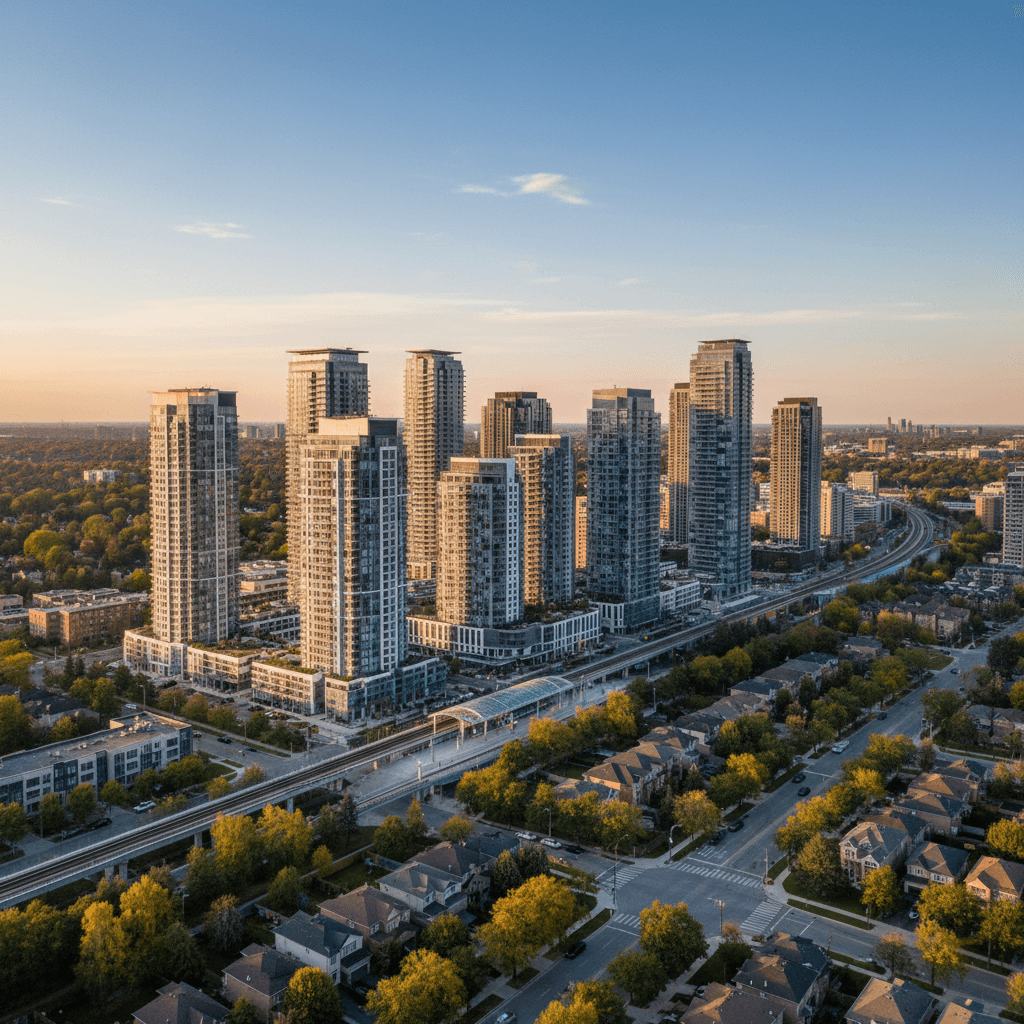
Brampton condo search tips are the specific strategies buyers use to find, evaluate, and secure the right condominium in Brampton. Done well, these tips shorten search time by weeks and help you avoid risks like weak reserve funds. From 470 Chrysler Dr #20, we guide buyers with local searches, valuation insights, and VIP reports.
By Maunil Shah — Sales Representative, HomeLife/Miracle Realty Ltd., Brokerage
Last updated: 2026-05-21
Overview: what you’ll learn (and use today)
Use a focused condo search plan to cut decision fatigue, compare buildings with a 10-point checklist, and read status certificates with confidence. In Brampton and the Regional Municipality of Peel, aligning budget, amenities, and commute can narrow choices to 3–5 finalists in under 14 days.
- How to map your must-haves vs. nice-to-haves in 12 minutes
- The 7-step Brampton condo search workflow that saves time
- What to scan in a status certificate (in plain English)
- Resale vs. pre-construction: side-by-side comparison
- Tools you can use now: property search, valuation, and VIP reports
- Local nuances around transit, winter maintenance, and building age
What is a condo search strategy?
A condo search strategy is a simple framework for choosing, touring, and verifying units against your lifestyle and risk tolerance. It sets criteria, ranks buildings, lines up financing, and validates documents so you can move from discovery to offer with clarity and fewer surprises.
Think of your strategy as a filter. You’ll pre-define up to 8 criteria, shortlist 3–5 buildings, tour 4–7 units, and document pros/cons within 24 hours of each showing. The goal is clear: eliminate unfit options fast and focus on homes that fit your daily life.
Core pillars of a strong search
- Non-negotiables (3–5): transit distance, parking, balcony, in-suite laundry, pet rules.
- Financial guardrails: monthly fees, predicted utilities, HOA special assessments history.
- Building health indicators: reserve fund trend, maintenance schedule, insurance claims.
- Timeline alignment: mortgage pre-approval window (60–120 days), possession needs, lease overlap.
We’ve found that when buyers rank criteria before opening any listing, they cut tour counts by 30–40% and make decisions 2–3 weeks sooner. That speed matters in competitive pockets near major transit routes.
Why it matters in Brampton (Peel Region context)
Brampton’s condo market is diverse, with buildings ranging from mid-90s low-rises to modern towers near rapid transit. A disciplined search protects you from deferred maintenance, keeps fees predictable, and prioritizes commute-friendly locations within the Regional Municipality of Peel.
Brampton’s layouts, amenities, and fee structures vary building-to-building. Two similar one-bedrooms can differ by 80–120 square feet, include or exclude parking, and have fee differences driven by utilities and amenities. Reading beyond the headline photos gives you leverage when it’s time to write an offer.
Local considerations for Brampton
- Leverage proximity to transit like the stops near Torbram Rd at Williams Pky to test real commute times during rush hour.
- Winter-ready buildings matter: confirm snow removal standards, indoor parking availability, and balcony safety checks before December.
- For weekday showings, note peak-hour traffic patterns near the Williams - Zum Bovaird Station Stop SB to validate noise tolerance.
How the Brampton condo search works (step-by-step)
Follow a 7-step workflow: clarify needs, get pre-approved, scan listings, shortlist buildings, tour units, validate documents, and execute offers/conditions. Time the steps within your pre-approval window (often 60–120 days) to lock financing and move decisively.
7-step workflow
- Clarify needs (30 minutes): List 3–5 must-haves and 3–5 nice-to-haves. Rank them.
- Pre-approval (1–3 days): Secure a written pre-approval with a 60–120 day rate hold.
- Scan listings (daily, 10 minutes): Save 8–12 candidates that match ≥80% of your criteria.
- Shortlist buildings (2–3): Check age, amenities, fee trend, and management reputation.
- Tour units (4–7 showings): Measure rooms, test water pressure (2–3 taps), and record noise levels.
- Validate documents (24–48 hours): Review the status certificate, insurance summary, and reserve fund study.
- Offer and conditions (5–10 business days): Use financing, inspection, and document review clauses as needed.
Process and timeline at a glance
| Step | Key action | Typical timing | What to document |
|---|---|---|---|
| Define criteria | Rank 8–10 factors | 30–60 minutes | Checklist with weights |
| Pre-approval | Rate hold secured | 1–3 days | Letter + expiry date |
| Scan & save | 12–20 matches | Daily (10 min) | Saved search notes |
| Shortlist | Top 3 buildings | 1–2 days | Amenity/fee summary |
| Tour | 4–7 units | 1–2 weeks | Room sizes, defects |
| Validate docs | Status certificate | 24–48 hours | Findings + questions |
| Offer | Conditions/extras | 5–10 business days | Condition deadlines |
Keep your search loop tight: update your shortlist every 48–72 hours and re-check days-on-market trends weekly. We help buyers track these micro-signals so you can move in hours, not days, when the right home appears.
Types of Brampton condos and search approaches
Brampton offers low-rise, mid-rise, and high-rise condos, plus townhouse-style condominiums. Your approach differs by type: weigh fees, amenities, and noise exposure for towers; emphasize outdoor space and parking for towns; and always compare resale to pre-construction timelines and risks.
Common condo types you’ll see
- Low-rise (3–6 stories): Quieter streets, fewer amenities, potentially lower fees. Verify elevator service intervals and roof age (often 15–25 years).
- Mid-rise (7–12 stories): Balanced amenity sets. Compare gym/pool utility usage and visitor parking capacity (10–20 stalls typical).
- High-rise (12+ stories): More amenities and on-site staff. Expect higher shared utility allocations; review building automation upgrades in the last 5–10 years.
- Condo townhomes: More space and private entries. Prioritize snow removal standards and reserve contributions for exterior elements.
Resale vs. pre-construction: which path fits?
| Aspect | Resale | Pre-construction |
|---|---|---|
| Timeline | 30–90 days typical | 12–36 months (varies) |
| Visibility | Tour actual unit | Floorplans + models |
| Fees insight | Current budget available | Projected estimates |
| Negotiation | Condition flexibility | Builder incentives |
| Risk focus | Deferred maintenance | Delivery delays |
If you’re exploring new builds, this practical overview of the Brampton pre-construction buying process can help you visualize steps before showrooms and paperwork.
Best practices: 12 moves that make buying simpler
Win with preparation: define 3–5 non-negotiables, get a 60–120 day pre-approval, and compare buildings with a 10-point checklist. Validate the status certificate within 24–48 hours of offer acceptance to keep decisions grounded in current financials and bylaws.
Before you tour
- Draft your 10-point checklist: fees, parking, locker, utilities, pets, balcony, noise, HVAC age, insurance, reserve trend.
- Line up pre-approval: Keep your letter and expiry date handy on showings.
- Study 3 nearby comparables: Note unit size (±50–100 sq. ft.), view orientation, and fee differences.
During showings
- Measure and photograph: Confirm bedroom sizes (9' x 10' minimums common), closet depth, and balcony safety features.
- Listen and test: Run 2–3 taps, flush toilets, and note hallway noise at the top of the hour.
- Check utilities: Identify if heat/hydro/water are in fees or separate; photograph panel amperage (60A vs 100A).
Paperwork and protections
- Status certificate review: Read bylaws, fee schedules, insurance, and the reserve fund study summary. Flag any 12–18 month special assessment plans.
- Conditions strategy: Time your financing/inspection/document review windows (5–10 business days) to your lender’s pace.
- Post-acceptance checklist: Re-walk the unit 24–72 hours before closing to confirm condition and inclusions.
In our experience, buyers who complete these steps before writing an offer reduce renegotiations by 20–30% and close with fewer last-week surprises.
Tools and resources Brampton buyers actually use
Use three tools in tandem: a live property search with filters, an address-based value check for nearby comps, and VIP reports that explain steps and timelines. Together, they turn a long search into a focused 14–21 day sprint.
- Location-based property search: Save and sort listings by commute, fees, and size. Set daily alerts so you act within hours, not days.
- “What’s My Home Worth?” estimator: Great for move-up buyers planning timelines around a sale; align equity with your pre-approval window.
- VIP buyer/seller reports: Step-by-step checklists, timelines, and glossary terms so documents make sense the first time you read them.
We keep these resources under one roof so you can compare 10–20 options quickly and make a confident decision before your rate hold expires. Prefer a personal walkthrough? Call 647-686-3069 for a 15-minute game plan.
Budget and ownership factors (no pricing, all clarity)
Budget clarity comes from structure, not guesswork. Separate your monthly plan into mortgage, condo fees, utilities, insurance, and a 5–10% maintenance buffer. Validate fee trends and reserve fund health in the status certificate before committing.
- Condo fees: Identify inclusions (heat, water, hydro) vs. exclusions. Track 24–36 month increases to spot patterns.
- Reserve fund study: Look for up-to-date reports and contributions that match upcoming capital needs (elevators, roofs, HVAC).
- Insurance and bylaws: Confirm deductibles, unit owner responsibilities, and renovation rules that could affect your plans.
- Special assessments: Scan meeting minutes for any 12–24 month projects that could affect fees or timelines.
Here’s a pro move: ask for the last 12 months of board communication highlights. It’s a quick pulse on culture, responsiveness, and upcoming projects.
Case studies and local examples
Real buyers win when they combine clear criteria with fast document reviews. These three Brampton scenarios show how tightening the workflow by 20–30% leads to stronger offers and smoother closings.
- The commuter’s pick: We narrowed 18 options to 4 near rapid transit, toured 3 in one afternoon, and secured a south-facing unit with indoor parking. The buyer used a 7-day document condition to resolve a HVAC service question.
- The first-time buyer: With a 90-day rate hold, we compared 5 mid-rises and 2 townhomes. A building with steady 2–3% fee increases and a clean reserve trend won. The status certificate was reviewed within 36 hours.
- The move-up plan: A family leveraged an address-based valuation on their current home, synced sale timelines, and shortlisted 3 larger condos. They closed without bridge financing by aligning dates 30 days apart.
Each case hinged on the same playbook: 10-point checklist, 4–7 showings, 24–48 hour document review, and conditions tailored to the situation.

How to read MLS-style listings like a pro
Decode listings by scanning five items in order: size, fees, parking/locker, utilities included, and exposure. Then review photos and 2–3 key notes for upgrades or issues. This 90-second pass filters out weak fits before you book showings.
- Square footage & layout: Watch for split bedrooms and den usability (7–8 ft width minimums for real desks).
- Fees & utilities: Note inclusions; fee differences of $70–120 often reflect pools, 24/7 concierge, or bulk utilities.
- Parking & locker: Confirm ownership vs exclusive use, and check clearance if you drive a taller vehicle.
- Exposure & noise: South and west can be brighter; corner units add windows but may raise cooling needs 10–20%.
- Notes & extras: Appliances age, HVAC type (fan coil vs heat pump), and any rented equipment.
Practice this quick pass on neighborhood boards and community listing hubs, like this Brampton-focused listings page or its housing category view.
Risks and red flags to catch early
Spot issues before they become deal-breakers: stagnant reserve funds, multiple recent insurance claims, unusual fee spikes, and chronic elevator outages. Use the status certificate, meeting minutes, and a 12–24 month maintenance log to verify actual building health.
- Financial signals: Flat reserve fund contributions despite aging systems, or year-over-year fee jumps above typical building peers.
- Operational clues: Repeated elevator downtime, water pressure complaints, or a high rate of unit turnover in 12 months.
- Documentation gaps: Missing updates to reserve fund studies (often refreshed every 3 years) or vague notes on upcoming projects.
- Culture fit: Excessive noise complaints vs. strong enforcement of bylaws—choose your preference intentionally.
We encourage buyers to capture 8–12 data points per building. Patterns emerge quickly when you compare side-by-side.
Value, carrying costs, and negotiation—without talking prices
You can strengthen value without quoting prices: negotiate inclusions, align closing dates, and resolve document questions promptly. Focus on clean terms, realistic timelines (30–90 days for resale), and clarity on what stays with the unit.
- Inclusions matter: Appliances, window coverings, and light fixtures often add tangible daily value.
- Dates drive deals: Matching a seller’s preferred closing by ±7–14 days can unlock cooperation.
- Condition confidence: Clear financing and document review windows reduce last-minute friction.
Value is often won in the details—concessions, extras, and speed—rather than headline numbers alone.
Extra resources for context
Supplement your search with practical context from local explainers and listing hubs. Use them to practice your 90-second listing scan and to understand pre-construction timelines before committing to a showroom visit.
To practice scanning and shortlisting, explore a Brampton-focused community listings hub. For pre-construction timelines and steps, this concise Brampton pre-construction explainer can help you visualize stages. Keep building safety in mind as well—many buyers add independent security reviews before moving in; browsing a Brampton security catalog can spark smart questions for property managers.
Free 15-minute game plan (no pressure)
Want a quick, personalized search map? Call 647-686-3069. In 15 minutes, we’ll define 3–5 non-negotiables, set alert filters, and decide which buildings to tour first.
Frequently Asked Questions
These short answers address how to start, what to check in documents, and how many showings to expect. Each tip helps you move from browsing to a confident offer in 14–30 days.
How do I start my Brampton condo search the right way?
Begin with 3–5 non-negotiables, a written 60–120 day pre-approval, and saved search alerts. Shortlist 2–3 buildings that meet at least 80% of your criteria, then plan 4–7 showings. Document pros and cons within 24 hours of each tour to keep momentum.
What should I look for in a status certificate?
Confirm bylaws, fee schedules, insurance, and the reserve fund study summary. Watch for 12–24 month special assessments, recent insurance claims, and aging systems without planned upgrades. Ask for clarification in writing if anything reads unclear.
How many condos should I tour before deciding?
Most buyers tour 4–7 units after shortlisting 2–3 buildings. If you’ve ranked your criteria and validated documents, you can make a confident decision without endless showings. Focus on fit, building health, and timeline alignment.
Should I choose resale or pre-construction?
Resale offers faster closings (often 30–90 days) and real-unit tours. Pre-construction provides newer finishes and potential builder incentives but longer timelines. Match the path to your move date, flexibility, and risk tolerance.
Key takeaways and next steps
Decide faster with structure: set non-negotiables, keep a 10-point checklist, and verify building health quickly. Align offers with clean terms and realistic timelines to win on value without fixating on headline numbers.
- Filter first: 3–5 must-haves, 3–5 nice-to-haves.
- Timebox: 60–120 day rate hold, 14–21 day shortlist cycle.
- Validate: 24–48 hour status certificate review.
- Act: 4–7 showings, offer with clear conditions.
Ready to move from browsing to buying? Call 647-686-3069 to map your next 2–3 weeks and start touring.