
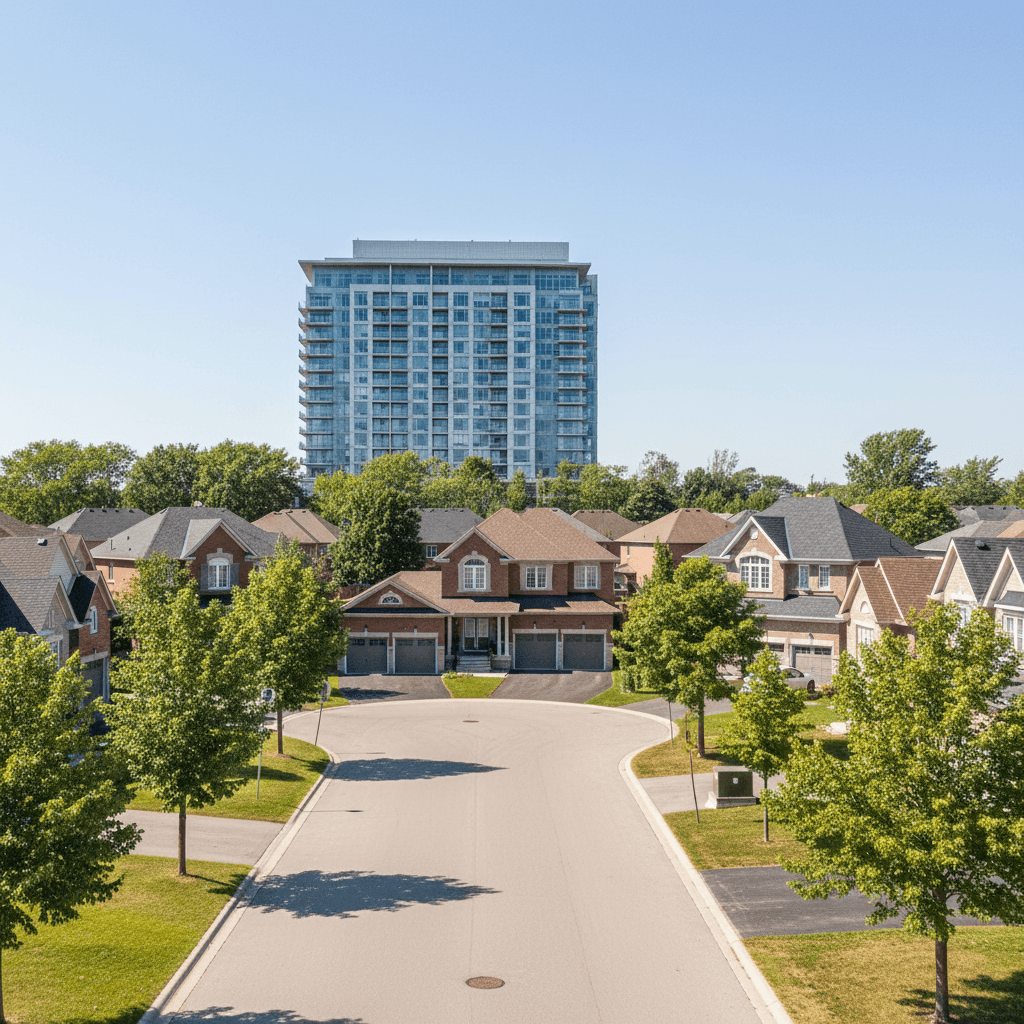
Brampton house vs condo comparison refers to a structured check of space, maintenance, lifestyle, and location trade-offs so you can choose faster. From our office at 470 Chrysler Dr #20 in Brampton, we guide buyers and sellers through listings, valuation, and reports to match the right property type to real needs.
By Maunil Shah, Sales Representative, HomeLife/Miracle Realty Ltd., Brokerage
Last updated: 2026-05-25
At a Glance: Brampton House vs Condo
Choosing between a house and a condo in Brampton comes down to space, maintenance, and lifestyle. Houses favor privacy, yard space, and long-term flexibility. Condos favor convenience, amenities, and location access. Start with your daily routine, then weigh upkeep, parking, rules, and future plans to see which fits best.
If you want a quick read before diving deep, use this snapshot to align expectations and shortlist properties efficiently. It pairs real buyer scenarios with simple next steps that we use in Brampton every week.
- Space vs convenience: Houses deliver square footage and yards; condos deliver elevators, gyms, and less upkeep.
- Control vs community: Houses offer more autonomy; condos operate under a board with shared rules.
- Parking & storage: Garages and sheds vs assigned spots and lockers.
- Noise & privacy: Detached walls vs multi-unit living realities.
- Future flexibility: Renovation freedom vs amenity trade-offs.
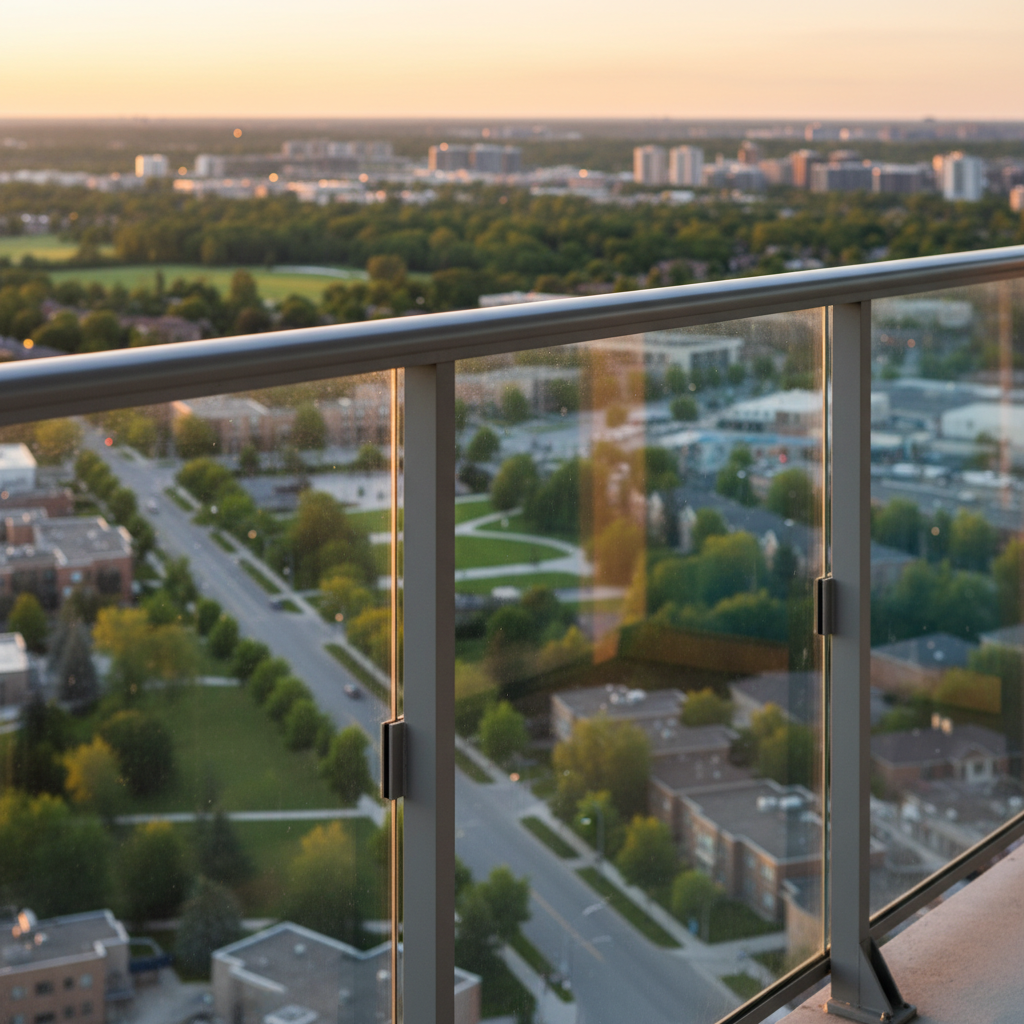
Quick Comparison Table
Use this side-by-side to compare core realities quickly: space, maintenance, amenities, parking, privacy, rules, and renovation freedom. It summarizes what most Brampton buyers discover in the first week of tours and helps you make a confident short list before scheduling showings.
| Factor | House (Detached/Semi/Town) | Condo (Apartment/Stacked/Town) |
|---|---|---|
| Living Space | Typically larger, multiple levels, private yard potential | Efficient layouts, less overall space but strong amenity access |
| Maintenance | Owner handles exterior and most systems | Building handles common elements; owner handles interior |
| Amenities | Private features (garage, yard) vary by property | Shared features like gym, party room, concierge, guest suites |
| Parking | Driveway/garage common; street options vary | Assigned/owned spots; guest parking rules apply |
| Noise & Privacy | Detached walls improve privacy; lot size matters | Shared walls/floors; building quality and location affect noise |
| Rules & Restrictions | Municipal bylaws; otherwise high autonomy | Condo declaration, bylaws, rules, board approvals |
| Renovation Flexibility | Greater scope to expand/modify (permits apply) | Interior-only changes; common elements restricted |
| Insurance Scope | Full dwelling coverage is owner’s responsibility | Corporation insures building; unit owner insures interior |
| Location Access | Often in quieter pockets; driving is typical | Walkable to transit, retail, services in many complexes |
Our Top Pick for 2026
If you’re a first-time buyer prioritizing low maintenance and walkable access in central Brampton, a condo is our 2026 top pick. Condos simplify ownership and keep you close to transit and daily needs. For growing families who value space, a house remains the better long-term fit.
We work with two main groups in Brampton: buyers seeking convenience near transit and buyers needing room to grow. In our experience, the first group wins with a condo, while the second group is happier in a freehold house. The fastest way to decide is to tour one of each type the same day and compare your gut reaction.
Need a head start? We’ll build you a same-day shortlist of 3 houses and 3 condos that match your must-haves. We can also pull a property value snapshot if you’re selling first. Text or call Maunil Shah to start.
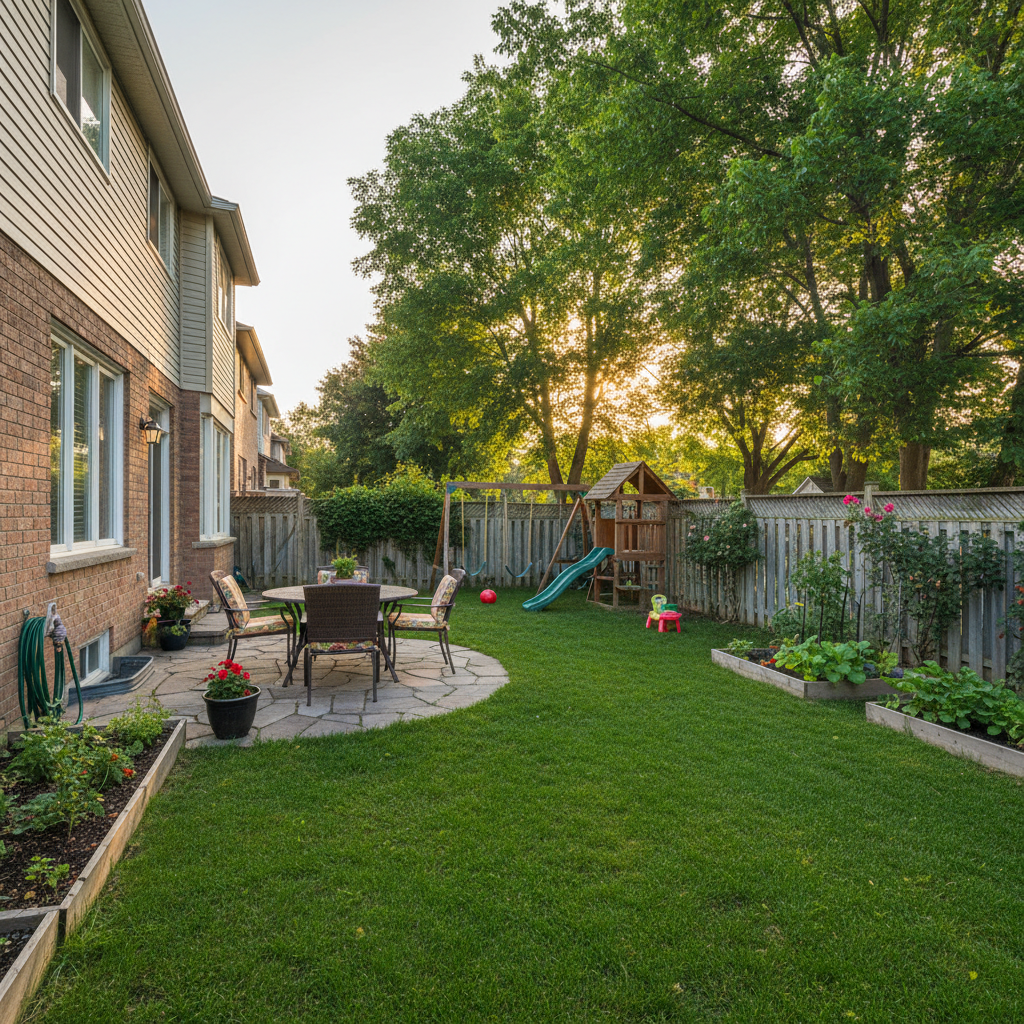
Entry #2–10: Best Choice by Buyer Scenario
Match the property type to your life scenario. We map nine common buyer profiles to the option that usually fits best. Use these as fast rules of thumb, then validate with two showings and a quick home valuation if you’re also selling.
2) Best for commuters using transit
- Pick: Condo near major bus corridors or future rail.
- Why it matters: Shorter walks and predictable travel reduce daily friction.
- Action: Target buildings within a few minutes of Brampton’s rapid bus stops; walk the route at rush hour.
From our office, the Williams – Zum Bovaird Station Stop SB is roughly 700 meters away, which makes a strong benchmark for “near transit” in Brampton’s context.
3) Best for growing families
- Pick: Freehold house (detached/semi) with yard and flexible rooms.
- Why: Bedrooms, play zones, and storage reduce clutter and stress.
- Action: Tour houses with at least two living areas and a safe, fenced yard if possible.
Family buyers we meet often prioritize private outdoor space and the option to finish a basement over shared amenities.
4) Best for low-maintenance living
- Pick: Condo apartment or stacked town.
- Why: Building staff handle common elements; you focus on interiors.
- Action: Review the condo’s responsibilities list so you know what’s covered vs owner-managed.
The lower time commitment helps first-time owners balance work, life, and learning ownership basics.
5) Best for future renovation flexibility
- Pick: Freehold house.
- Why: You can reconfigure interior walls, add rooms, or plan an addition subject to permits.
- Action: Confirm local bylaws and consider long-term sketches before purchase.
Expansion options create a 5–10 year runway in the same address, which many Brampton owners value to avoid moving frequently.
6) Best for amenities lovers
- Pick: Condo with gym, party room, concierge, and guest suites.
- Why: Built-in features support social life and routine wellness without extra memberships.
- Action: Walk amenity areas, ask about opening hours, and check any booking rules before you fall in love with the unit.
Some buyers treat amenities as their “bonus rooms,” offsetting smaller private space with large shared areas.
7) Best for remote workers
- Pick: House with a quiet office or a condo with a den and solid sound insulation.
- Why: Dedicated work zones improve focus and call quality.
- Action: During showings, test cell reception and background noise at typical meeting times.
Sound transfer varies widely; we evaluate hallway noise, elevator hum, and traffic exposure during weekday hours.
8) Best for car-first lifestyles
- Pick: House with driveway/garage or condo with two titled spots.
- Why: Consistent parking and storage for tires, tools, and sports gear are quality-of-life boosters.
- Action: Verify visitor parking rules, winter overnight restrictions, and EV charging access if relevant.
Parking friction (or ease) shows up every single day—treat it as a primary decision factor, not an afterthought.
9) Best for downsizers
- Pick: Single-level condo with elevator and accessible layout.
- Why: Fewer stairs and less maintenance free up time and energy.
- Action: Check hallway widths, door clearances, and storage solutions to future-proof comfort.
Downsizers often prioritize proximity to healthcare, shopping, and transit over sheer square footage.
10) Best for multi-generational living
- Pick: House with separate living areas and bathroom access on each level.
- Why: Privacy and routines can co-exist under one roof with thoughtful layout.
- Action: Evaluate kitchens, laundry locations, and sound isolation between floors.
We often map sleep schedules and routines to the floor plan during showings—simple planning avoids daily friction.
11) Best for pet owners
- Pick: House with fenced yard; or pet-friendly condo with clear policies.
- Why: Easy outdoor access and clear rules keep everyone happy.
- Action: If condo, request the latest pet policy in writing and confirm any size/breed limits.
Pet policies vary widely between corporations; we verify specifics early to avoid last-minute surprises.
How to Choose in Brampton (Step-by-Step)
Decide by testing two live listings and your daily routine. Book one house and one condo showing on the same day, time your commute, test noise, and map storage. Then review responsibilities and future plans to confirm the winner with confidence.
- List non-negotiables: Bedrooms, bathrooms, parking, commute time, noise tolerance.
- Run a same-day A/B tour: One house, one condo, back-to-back for a true feel.
- Test routines: Commute, groceries, gym, pet walks, trash/recycling routes.
- Clarify responsibilities: Exterior vs interior, snow, landscaping, common elements.
- Plan 5–10 years out: Kids, remote work, accessibility, potential renos.
- Confirm rules: Condo declarations/bylaws; municipal rules for houses.
- Get clarity if selling first: Use a quick address-based valuation to plan sequence.
We close this loop by pairing a reality check (your day-to-day) with a paperwork check (ownership responsibilities). This two-angle view prevents buyer’s remorse.
Buying Guide: Using Our Tools and Local Know-How
Use our property search, valuation, and VIP reports to speed up decisions. We filter listings by commute, layout, and rules, then pressure-test two finalists with showings and a quick seller valuation if you’re listing as well.
Local considerations for Brampton
- Target homes or condos within a short walk of “Williams – Zum Bovaird Station Stop SB” for reliable bus access; it’s about 700 meters from our office.
- Winter commuting and snow clearing affect routines; confirm condo snow removal scope and house driveway exposure before choosing.
- If you plan to renovate a house, align timing with Regional Municipality of Peel permitting cycles and contractor lead times.
Here’s our practical, tool-driven flow that many Brampton clients follow:
- Start your property search: Filter for transit access, parking, and layout priorities. We’ll refine with you.
- Request a quick home valuation: If you’re selling first, an address-driven snapshot clarifies sequencing and timing.
- Download VIP buyer/seller reports: Use checklists to avoid common pitfalls during offers and conditions.
- Tour efficiently: Back-to-back tours of one house and one condo sharpen preferences fast.
- Debrief and decide: We evaluate noise, storage, and rules against your 5–10 year plan before we write.
For pre-construction context in Brampton, this local process guide offers useful background on steps and timelines you’ll encounter: see this pre‑construction buying process overview. Reviewing examples can help you pressure-test your own readiness checklist.
Comparison Deep Dive: Value Drivers (Without Pricing)
Value isn’t just about sticker price. It’s the daily experience—commute minutes, storage access, repair responsibilities, and peace of mind. Compare these drivers honestly, then choose the property that improves most days of your week.
Space and storage realities
- House: Basements, garages, and sheds absorb seasonal gear and hobby space.
- Condo: Lockers and well-planned closets keep essentials handy; measure them.
- Tip: Bring a tape and note 3–4 critical storage spots during tours.
We often sketch storage on the spot—simple drawings expose where clutter will land if space is tight.
Noise, privacy, and airflow
- House: Detached walls and setbacks reduce transfer; window orientation matters.
- Condo: Floor/ceiling construction, elevator proximity, and street exposure matter most.
- Tip: Visit at peak hours and stand quietly for 60 seconds in each room.
Rules, responsibilities, and flexibility
- House: Higher autonomy; align projects with permits and neighborhood guidelines.
- Condo: Clear rules on renovations, short-term rentals, pets, and amenity use.
- Tip: Ask for the latest condo documents and read the “use of units” and renovation sections first.
The best choice is the one that matches your routine, not someone else’s highlight reel. That’s the core of a smart Brampton house vs condo comparison.
Real-World Examples (What We Check on Tours)
During tours, we test five things: commute time, noise levels, storage fit, rule alignment, and day-one livability. These quick checks separate “nice photos” from a home that works for your real life.
- Commute reality check: Time the door-to-transit walk; aim for a consistent benchmark you can live with daily.
- Noise scan: Listen for hallway, elevator, HVAC, and traffic hum; repeat at peak times.
- Storage fit: Confirm space for strollers, bikes, pet gear, and seasonal bins.
- Rule fit: If you depend on a second parking spot or plan a pet, verify now—not after offer.
- Day-one livability: Note any must-fix items and whether you can move in comfortably.
To visualize condo living details and layouts, browsing a real listing can help you map dimensions to routines; here’s an example condo listing in Brampton for reference while you work through your personal checklist.
Frequently Asked Questions
These quick answers address the questions Brampton buyers ask most when comparing a house and a condo. Use them to avoid delays and keep momentum while we line up your next showings.
Is a house or condo better for first-time buyers in Brampton?
Condos usually fit first-time buyers who want low maintenance and walkable access to transit and services. Houses fit buyers who prioritize space, storage, and future renovation flexibility. Touring one of each on the same day clarifies the trade-offs quickly.
What should I evaluate on condo documents?
Focus on rules that affect your routine: renovation approvals, pet policy, parking and locker rights, amenity booking, and any restrictions on rentals. Confirm what the corporation maintains vs what you must handle inside the unit.
How do parking and storage compare?
Houses often include a driveway and garage with room for tools and seasonal gear. Condos rely on assigned or titled spots and lockers. Confirm guest parking rules and locker size early if a second vehicle or bikes are part of your routine.
Can I renovate a condo the same way I would a house?
Not typically. Interior updates are fine, but changes that touch common elements need approval and may be restricted. Houses allow more flexibility for reconfiguring layouts or adding space, subject to municipal permits and bylaws.
How do I choose if I’m selling first?
Start with a quick, address-based valuation to set expectations and timing. Then tour one house and one condo, test your daily routine, and match the option that improves most days of your week. We coordinate both sides to keep your move seamless.
Methodology: How We Built This Comparison
We combined live Brampton buyer interviews, showing notes, and practical ownership checklists. The result is a scenario-based guide you can act on today. It aligns with our on-the-ground process at 470 Chrysler Dr and the Regional Municipality of Peel context.
- Buyer interviews: Common pain points include storage, parking, commute minutes, and renovation flexibility.
- Showing data: Back-to-back house/condo tours produce the fastest clarity within 1–2 outings.
- Ownership documents: We read responsibilities and rules early to prevent surprises after offer.
- Local access: Transit benchmarks and winter operations shape daily experience more than photos do.
Want to try the same flow? Ask us for a personalized two-option route with a property value snapshot if you’re selling first—most clients can reach a confident decision in under a week of focused touring.
Key Takeaways
Pick based on daily life, not headlines. If you need space and flexibility, lean house. If you want convenience and low maintenance, lean condo. Test both with back-to-back tours, verify rules and responsibilities, and align with your 5–10 year plan.
- Let routine drive the decision—commute, storage, noise, rules.
- Do a same-day A/B tour: one house, one condo.
- Confirm responsibilities and any rules that affect your lifestyle.
- Future-proof for 5–10 years to avoid near-term moving.
- Use search, valuation, and VIP reports to move faster.
Conclusion and Next Steps
The smartest Brampton house vs condo comparison starts with your routine and ends with a clear winner after two showings. Use our search, valuation, and VIP reports to move from browsing to choosing in days, not months—then schedule offers with confidence.
Ready to see your top two this week? We’ll line up one house and one condo that match your must-haves, then walk you through responsibilities and rules so there are no surprises. If you’re browsing rentals before buying, this local directory of Brampton housing listings can help you understand size, layout, and amenity options while you plan your purchase.
Book a local consultation in Brampton—meet at our office near Torbram Rd and Williams Pkwy, or we’ll connect by phone first. Let’s match the right property type to your real life.