
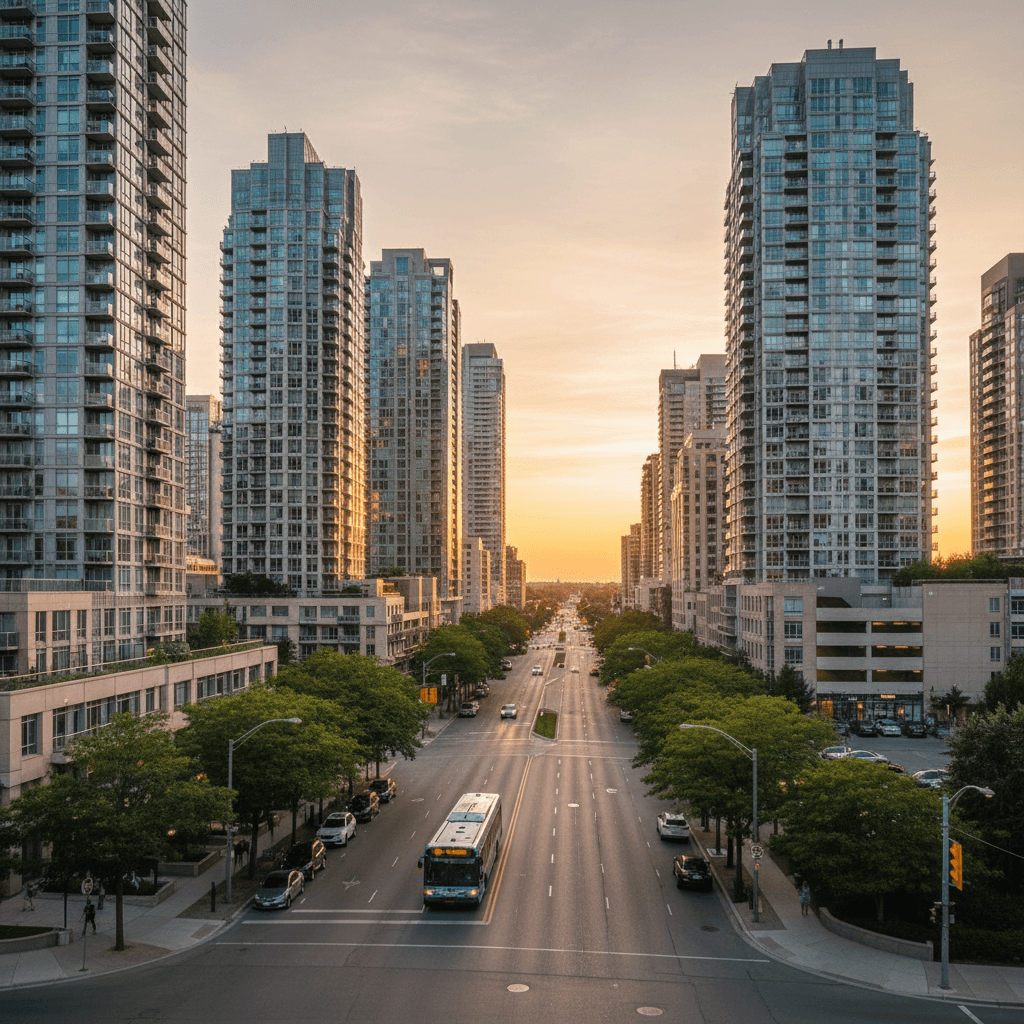
Condo buying mistakes to avoid are the missteps that expose buyers to surprise fees, legal issues, or lifestyle mismatches. In Brampton, working from 470 Chrysler Dr #20, we help clients spot these risks early so decisions are safer and faster. This guide explains what to check, when to act, and who to ask.
By Maunil Shah — Sales Representative, HomeLife/Miracle Realty Ltd., Brokerage
Last updated: 2026-05-23
Summary
Use this condo buying checklist to avoid hidden fees, weak reserve funds, restrictive rules, and poor maintenance. Review the status certificate, confirm insurance coverage, inspect the building, and plan for total monthly obligations. Follow the Ontario process step-by-step so you protect financing, timelines, and future resale value.
Buying a condo should feel confident, not rushed. Here’s how this complete guide helps you make clear, low-risk choices buyers in Brampton actually use:
- Defines the biggest condo buying mistakes to avoid and why they happen
- Maps the Ontario purchase process with practical checkpoints you can follow
- Explains status certificates, reserve funds, and special assessments in plain English
- Shows how to read rules (by-laws and declarations) that shape daily life
- Gives inspection, insurance, and financing safeguards that reduce surprises
- Localizes tips for Brampton and the Regional Municipality of Peel
What Is a “Condo Buying Mistake”?
A condo buying mistake is a preventable decision that reduces value, increases risk, or limits your lifestyle. Common examples include skipping the status certificate review, underestimating fees, ignoring by-laws, or overlooking building maintenance issues that later trigger special assessments.
When we say “mistake,” we mean something you can catch with the right information and timing. In our experience guiding Brampton buyers, most issues trace back to missing paperwork, incomplete inspections, or unclear expectations about responsibilities between the condo corporation and the unit owner.
Examples you can actually spot
- Reserve fund too low: A thin reserve fund often signals higher risk of special assessments for big repairs.
- Restrictive by-laws: Rules limiting pets, renovations, or rentals can clash with your plans.
- Deferred maintenance: Older roofs, elevators, or balconies near end-of-life increase near-term costs and inconvenience.
- Unclear insurance boundaries: Not knowing where condo corporation coverage ends and your personal policy begins creates gaps.
- Overlooking noise/location factors: A lobby, loading bay, or transit stop can affect comfort and resale.
The goal isn’t perfection—it’s informed trade-offs. You’ll never remove every risk, but you can reduce the big ones with a structured process.
Why Avoiding Mistakes Matters in Brampton
Avoiding condo buying mistakes in Brampton preserves your monthly budget, reduces legal risk, and protects resale in the Regional Municipality of Peel. Clear due diligence also speeds timelines, strengthens negotiation leverage, and ensures the building’s rules match your lifestyle before you commit.
Local context shapes condo ownership. Buildings across Brampton vary in age, management quality, and reserve fund health. You’ll see different patterns in high-rise towers near transit versus low-rise and townhouse-style condos in quieter pockets. Planning for these differences pays off over years, not months.
What this means for your bottom line
- Total monthly picture: Mortgage, taxes, condo fees, utilities, parking, and insurance form your all-in commitment.
- Future-proofing: Healthy reserve funds and recent building upgrades reduce the odds of sudden assessments.
- Lifestyle match: By-laws on pets, smoking, short-term rentals, or renovations must align with how you live.
We’ve found that buyers who slow down to verify rules, repairs, and financials negotiate more confidently and rarely face “I wish I’d known” moments later.
How the Condo Buying Process Works in Ontario (Step-by-Step)
The Ontario condo purchase process moves from pre-approval and neighborhood targeting to showings, offer strategy, conditional due diligence, and firming the deal. You’ll review the status certificate, complete inspections, finalize financing, and coordinate closing logistics with your lawyer and lender.
Here’s a clear roadmap we use with buyers so nothing slips through the cracks.
- Pre-approval + budget guardrails: Confirm your borrowing capacity and stress-test your own monthly comfort.
- Neighborhood short list: Compare commute, transit, schools, and amenities; note noise and traffic patterns at different times.
- Targeted property search: Focus on buildings with strong maintenance records and stable fees.
- Showings + suitability: Check light, storage, parking, and elevator reliability; scan common areas for wear.
- Offer strategy: Align price, conditions, and timing with your risk tolerance and lender requirements.
- Status certificate review: Your lawyer reviews financials, reserve fund, insurance, rules, and current litigation.
- Inspection + specialized checks: Consider HVAC age, windows, balcony safety, and water intrusion history.
- Financing confirmation: Provide documents promptly; confirm lender’s stance on the specific building.
- Firming the deal: Once satisfied with conditions, remove them and lock in your closing timeline.
- Closing prep: Arrange home insurance, utilities, final walk-through, and lawyer’s closing package.
At-a-glance process table
| Stage | Primary Check | Common Risk | Mitigation |
|---|---|---|---|
| Pre-approval | Monthly capacity | Ignoring condo fees | Model full monthly outflow |
| Search | Building shortlist | Weak management | Check maintenance patterns |
| Offer | Conditions | Rushed waivers | Use clear timelines |
| Status review | Financial/Legal | Thin reserve fund | Lawyer due diligence |
| Inspection | Systems & envelope | Deferred repairs | Specialist inspection |
| Closing | Insurance & utilities | Coverage gaps | Clarify policy boundaries |
Each checkpoint above folds into your negotiation leverage. When you find issues early, you can adjust terms—or confidently walk away.
Top Condo Buying Mistakes to Avoid
The biggest condo buying mistakes to avoid include skipping status certificate review, underestimating total monthly outflow, ignoring restrictive by-laws, overlooking building maintenance, and leaving insurance or parking details unclear. These errors are preventable with a structured checklist and local guidance.
1) Not reading the status certificate fully
The status certificate reveals the building’s financial health, reserve fund, current legal matters, insurance, and rules. It’s not busywork—it’s the X-ray of the corporation. Ask your lawyer to flag reserve fund sufficiency, upcoming projects, and any litigation that could affect fees or timelines.
- Request recent engineering and reserve fund study summaries noted in the package.
- Watch for notes about owner arrears or frequent legal disputes.
- Confirm if any special assessments are planned or contemplated.
2) Underestimating the “all-in” monthly
Condo fees are only one piece. Your monthly outflow also includes mortgage, taxes, insurance, parking/locker fees, utilities not covered by the condo, and any subscription-style amenities. Model various scenarios before you offer so you’re comfortable even if fees rise later.
- Ask what utilities are included and which are separately metered.
- Clarify parking and locker status—owned, exclusive-use, or rented.
- Plan a buffer for periodic fee increases tied to maintenance or inflation.
3) Ignoring by-laws and declaration
By-laws and the declaration govern everyday life. They cover pets, smoking, short-term rentals, renovations, noise, and more. If these rules don’t match your lifestyle, conflicts follow. Read them early so you’re agreeing to a lifestyle you’ll actually enjoy.
- Look for renovation approval steps and permitted hours.
- Confirm any pet size/breed restrictions or number limits.
- Understand guest suite, elevator booking, and move-in rules.
4) Overlooking building envelope and systems
Even in condos, major systems matter: roofs, windows, elevators, boilers, and balconies. When these are near end-of-life, fees and inconvenience rise. Your inspector can’t open walls, but a trained eye spots water staining, seal failure, or patchwork repairs that hint at deeper issues.
- Check common areas for consistent maintenance standards.
- Ask the property manager about recent capital projects.
- Review balcony and façade notes for safety or repair cycles.
5) Leaving insurance boundaries unclear
Condo corporations insure the building and common elements, but unit owners insure interior contents, betterments, and liability. Misunderstanding that line leads to costly gaps. A quick conversation with an insurance professional prevents coverage surprises on closing day and beyond.
- Confirm the corporation’s deductible and how special assessments are handled.
- Ensure your personal policy covers improvements and loss assessment.
- Verify any short-term rental exclusions if you plan to host.
6) Rushing conditions—or waiving them entirely
Conditions protect your time and money. If you compress timelines or waive key protections, you accept unknowns. We prefer tight, purposeful conditions—status review, financing, and inspection—so you can proceed decisively but safely.
- Give your lawyer adequate time to review documents.
- Sync financing and appraisal requirements with your lender.
- Use a defined inspection window with right to revisit if needed.
7) Skipping neighborhood fieldwork
Online listings don’t reveal everything. Visit at different times to test noise, traffic, visitor parking, and commute realities. Proximity to transit or loading areas can add convenience—or constant foot traffic. Street-level reality checks tell you which one it is.
- Walk the block after work and on weekends.
- Time your commute and transit transfers.
- Note retail/service clusters for daily needs.
8) Overlooking resale fundamentals
Even if you plan to stay, future buyers will judge natural light, flow, storage, parking, and the building’s reputation. Good bones plus a well-run corporation tend to command stronger offers. Keep resale criteria in mind to protect long-term flexibility.
- Prefer functional layouts over novelty finishes.
- Prioritize buildings with consistent maintenance records.
- Document permitted upgrades to support value later.
How to Read a Status Certificate (Without Getting Lost)
Read the status certificate by confirming the reserve fund, planned projects, legal or lien issues, building insurance, and by-law rules. Have your lawyer summarize red flags, then use findings to adjust price, conditions, or your decision to proceed.
The status package is dense by design. Here’s the order we review it to save time and spot deal-breakers fast.
- Financial statements + budget: Are fees covering operations without chronic deficits?
- Reserve fund study highlights: Are contributions aligned with capital needs over the next 3–5 years?
- Special assessments: Any approved or contemplated assessments on the horizon?
- Insurance summary: What does the master policy cover, and where must owners add coverage?
- Litigation and liens: Are there active disputes or owner arrears that hint at systemic issues?
- By-laws and declaration: Do the rules match your lifestyle plans (pets, rentals, renovations)?
Turn your notes into actions: renegotiate, clarify with management, or walk. The best outcome is clarity—either way.
Budgeting and Fees: Plan Beyond the Sticker Price
Budget for more than mortgage and condo fees. Include taxes, insurance, utilities, parking/locker, internet, and a contingency for periodic fee increases or special assessments. Model a conservative monthly so you stay comfortable as the building ages.
Buyers often focus on the purchase price and monthly fee but miss the rhythm of maintenance and renewals. Healthy condos reinvest consistently in roofs, elevators, boilers, and safety systems. That work shows up—in clean hallways today and stable fees tomorrow.
- Included utilities: Heat, water, or hydro may be included—or not. Confirm before you calculate.
- Parking/locker: Owned spots affect value and fees differently than rentals or exclusive-use rights.
- Internet/TV: Bulk contracts sometimes add value; other times, you’ll choose your own provider.
- Insurance: Coordinate corporation coverage with your personal policy to avoid gaps.
Pre-Construction vs. Resale: Different Risks, Different Safeguards
Pre-construction offers new finishes and staged payments but adds timeline, assignment, and occupancy risks. Resale delivers certainty and full records but may need updates. Match the path to your risk tolerance, move-in timing, and documentation needs.
Both routes work—if you respect their differences. We use checklists tailored to each path so decisions stay apples-to-apples.
Pre-construction focus points
- Understand occupancy periods and closing timelines; delays are common in new builds.
- Review assignment clauses and restrictions if you might transfer the agreement.
- Request draft budgets for early-year condo fees and building amenities.
- Clarify finish schedules, substitution rights, and any upgrade approvals.
Resale focus points
- Rely on the status certificate for real-world financials and rules.
- Inspect visible wear and ask about recent capital projects.
- Confirm what’s included: appliances, window coverings, parking, lockers.
- Gauge the building’s community culture during showings and visits.

Best Practices to Avoid Mistakes (Our Go-To Checklist)
Avoid condo mistakes by running a documented checklist: status review with a lawyer, targeted inspections, insurance alignment, neighborhood fieldwork, and all-in monthly modeling. Document what you learn, then negotiate or walk with confidence.
Checklists keep emotion in check. Here’s the framework we bring to showings and conditional periods so small issues don’t become big ones.
- Paper first: Status certificate, building budget, reserve study highlights, insurance summary, by-laws.
- People next: Your lender, lawyer, inspector, and insurance advisor aligned on timelines.
- Place always: Multiple site visits at varied hours for noise, traffic, and security cues.
- Plan forward: Model your total monthly today and with moderate increases.
- Proceed or pause: Use findings to tighten terms—or choose the next shortlist property.
Local considerations for Brampton
- Transit convenience is real; tour buildings near "Torbram Rd at Williams Pky" to test commute patterns before you commit.
- Winter showings reveal drafts and snow management; check entrances and walkways after a snowfall for maintenance quality.
- Weeknight traffic near "Williams - Zum Bovaird Station Stop SB" can raise noise; visit during peak hours to confirm comfort.
Tools and Resources You Can Use Today
Use a location-based property search, an address-driven home value estimator, and VIP buyer reports to speed research. Pair these with professional legal, lending, inspection, and insurance advice so your decisions are both fast and well-documented.
Our site combines property search, a “What’s My Home Worth?” valuation, and free reports so you can act without guesswork. For deeper context on specific risks, third-party explainers can be useful complements.
For a practical overview of legal due diligence steps, see this guide on property purchase due diligence. If you’re exploring new builds, this pre-construction buying process overview outlines typical milestones buyers navigate. To close insurance gaps confidently, review a plain-language condo insurance coverage guide and confirm specifics with your broker.
Inspection and Building Health: What Pros Look For
Inspectors look for water intrusion, ventilation issues, aging HVAC, window seal failure, and balcony or façade risks. In common areas, consistency matters: clean mechanical rooms, documented maintenance, and professional property management indicate healthier operations.
Every building tells a story. You can learn a lot in minutes by scanning hallways, stairwells, and service areas. Neat electrical rooms and labeled shut-offs suggest organized upkeep. Repeated patchwork repairs hint at deferred maintenance and future costs.
- Inside the unit: Water stains, spongy floors near bathrooms, slow drains, noisy HVAC, and drafty windows.
- Common areas: Elevator performance, ventilation, garbage rooms, parking garage condition, and lighting.
- Records: Ask the manager about preventive maintenance logs and recent capital projects.

Financing and Lender Considerations (Stay Mortgage-Ready)
Stay mortgage-ready by securing pre-approval, keeping documents organized, and confirming your lender’s view of the building. Appraisals, reserve funds, and litigation can influence underwriting, so fit your conditions and timelines to lending realities.
Strong offers align with lender requirements. Keep employment letters, pay stubs, tax documents, and down payment verification handy. If your lender has concerns about a specific building, it’s better to learn that before you waive conditions.
- Ask your lender how reserve funds, litigation notes, or age of building may affect underwriting.
- Ensure your condition windows accommodate appraisal and document review.
- If timelines compress, communicate daily to avoid last‑minute surprises.
Mini Case Studies: How Brampton Buyers Avoided Regret
Real buyers avoided condo regret by catching red flags in the status certificate, modeling full monthly costs, and aligning rules with lifestyle. Clear checklists turned complex choices into confident yes/no decisions without second-guessing later.
Case 1: The “silent elevator” clue
A buyer loved a unit, but common areas felt tired. Our showing notes flagged slow elevators during rush hours and a pending modernization in board minutes. Status review confirmed timelines. The buyer renegotiated conditions and budgeted for near-term inconvenience—then proceeded comfortably.
Case 2: By-law surprise avoided
Another client planned small renovations. The declaration required prior board approval and limited work hours. Because we checked early, the buyer adjusted timelines and contractor plans to match the rules—no friction with neighbors, no delays after closing.
Case 3: Parking clarity = smoother closing
A listing mentioned parking, but ownership type was unclear. We confirmed it was exclusive-use, not deeded, and ensured lender/insurer documentation reflected that detail. The deal closed smoothly and future resale language is now crystal clear.
How We Help Brampton Condo Buyers (Soft CTA)
We streamline condo purchases with targeted searches, status certificate strategies, and step-by-step checklists. Our local process reduces risk, speeds decisions, and keeps your future resale options open.
Here’s how we typically support buyers from first call to keys:
- Clarify your must-haves, nice-to-haves, and deal-breakers to focus the search.
- Pre-screen buildings for maintenance patterns and reserve fund health cues.
- Structure conditions, timelines, and expert reviews to fit the building and lender.
- Keep everyone—lawyer, lender, inspector—moving in sync so no time is wasted.
Want a walkthrough of this checklist based on your timeline? Let’s talk.
Frequently Asked Questions
These concise answers cover the most common condo questions buyers ask in Brampton: status certificates, fees, inspections, pre-construction versus resale, and how by-laws affect daily life and future resale.
What is the fastest way to spot a risky condo building?
Check the status certificate for a thin reserve fund, frequent special assessments, or active litigation. Then tour common areas for deferred maintenance. Slow elevators, water stains, and patchy repairs often predict higher fees and inconvenience later.
Do I still need a home inspection for a condo?
Yes. Inspectors can’t open walls, but they can find water intrusion, failing window seals, ventilation problems, and aging HVAC. They’ll also observe building maintenance patterns that influence future fees and comfort.
How do condo by-laws affect daily life?
By-laws set rules for pets, smoking, renovations, elevator bookings, and short-term rentals. If these don’t match your lifestyle, conflicts follow. Read them before you offer so you align expectations with reality.
Which is safer: pre-construction or resale?
Both can be safe if you respect their risks. Pre-construction needs timeline and assignment planning; resale depends on documented building health. Choose the path that best matches your risk tolerance and move-in timing.
What should my first step be if I’m new to condos?
Start with a lender pre-approval and a simple checklist. Shortlist neighborhoods, tour a few buildings, and review a sample status certificate with a lawyer to understand what “healthy” looks like before you submit offers.
Key Takeaways
Protect your purchase by slowing down at key checkpoints: status review, inspections, by-law alignment, and true monthly modeling. When in doubt, document questions, clarify with management, and keep your conditions intact until you’re satisfied.
- Condo buying mistakes to avoid cluster around paperwork, building health, and lifestyle rules.
- Strong processes create negotiation leverage—issues found early become options, not problems.
- Brampton buildings vary; local fieldwork and timing make a measurable difference.
Next Step: Let’s Tailor This Checklist to You
If you’re condo shopping in Brampton, we’ll apply this checklist to your timeline, budget, and lifestyle. You’ll move faster with fewer surprises—backed by a clear plan for negotiation and closing.
Ready to see how this works on a real listing? Book a brief discovery call and we’ll map buildings that fit your must-haves—then pressure-test them with status, inspection, and by-law reviews before you commit.