

The cost to buy a home is the total of your down payment, mortgage-related charges, closing fees, moving/setup expenses, and early ownership costs. For Brampton buyers working with Maunil Shah at 470 Chrysler Dr #20, it means planning a complete, realistic budget—not just the purchase price—so you can shop confidently and avoid last‑minute surprises.
By Maunil Shah — Realtor, HomeLife/Miracle Realty Ltd., Brokerage
Last updated: 2026-06-15
Above-Fold: What Your Full Homebuying Budget Really Includes
Your full homebuying budget includes upfront funds (down payment and deposit), lender and legal fees, inspection and appraisal, title-related costs, moving and immediate setup, plus a buffer for early repairs. Seeing the whole picture helps you compare homes fairly and act fast when the right listing appears.
Here’s the quick way to think about your total budget. Focus on what you’ll pay before closing, on closing day, and right after possession. Then match those timelines to your savings, lender requirements, and your home search in Brampton and nearby Peel communities.
Quick Summary
- Upfront funds: deposit and down payment, aligned with lender rules and your savings plan.
- Due at closing: legal, title, mortgage setup, insurance, and adjustments as applicable.
- After possession: moving, utilities, immediate fixes, and first-year maintenance priorities.
- Why it matters: all-in planning prevents delays and protects your approval and timeline.
- How we help: location-based search, address valuation, and step-by-step buyer guidance.
What Is the Cost to Buy a Home?
The cost to buy a home is the combined amount required to close and live in your new property, beyond the purchase price. It spans down payment, lender and legal fees, inspections, title work, moving, and early ownership needs. A complete view keeps your approval intact and your timeline on track.
In practice, this means budgeting for everything from your deposit and professional due diligence to day-one utilities and safety items. Buyers often plan for the mortgage but forget smaller, time-sensitive items that can impact cash flow during the final week before closing.
We’ve guided hundreds of searches across Brampton’s neighborhoods. In our experience, buyers who lay out their total budget early make stronger, cleaner offers and feel calmer during conditions, appraisal, and funding.
Why the Total Cost Matters More Than the Price Tag
Total cost matters because lenders underwrite the full picture—down payment, debt, insurance, and closing conditions—not only the list price. A full-budget plan avoids approval issues, protects timelines, and strengthens offers in competitive markets like Brampton.
- Approval integrity: your lender expects documented funds for more than just the purchase price; keep verifiable records for all sources.
- Offer strength: confident buyers move quickly, remove friction, and win close tie-breakers.
- Cash flow protection: surprises the week of closing cause avoidable stress and rescheduling.
- Valuation reality: inspections and appraisals reduce risk by validating condition and value.
Here’s the thing: the home that fits your life also needs to fit your cash flow. We’ll help you map costs to your search timeline so you can act decisively when you find the right property.
How the Homebuying Budget Works Step by Step
Build your budget around three timelines: before closing (deposit, due diligence), at closing (legal, title, mortgage setup), and after possession (moving, utilities, early repairs). Align these with lender conditions and your savings to keep approvals and deadlines secure.
Before closing
- Deposit and down payment planning: confirm how much is needed and when, and ensure documentation is lender-ready.
- Pre-approval: clarify borrowing power, rate holds, documents, and conditions timing.
- Inspection and appraisal: validate condition and value to reduce surprises and support negotiations.
- Insurance readiness: line up homeowner’s and title coverage to meet lender and legal requirements.
On closing day
- Legal and title work: your closing professional finalizes registration, title search, and required documents.
- Mortgage setup: satisfy final lender conditions and complete funding steps.
- Adjustments: handle prorated items such as property tax and utilities if applicable to your agreement.
After possession
- Moving and setup: coordinate moving services, utilities, internet, mail forwarding, and safety basics.
- Immediate fixes: prioritize inspection-driven items and essential maintenance.
- First-year plan: budget for seasonal tasks, small wear items, and preventative upkeep.
Consider this sequence a checklist you can run from offer to key pickup. It keeps roles and dates clear, especially when multiple vendors are involved.
Budget Categories (Cost Components) — What to Expect
Expect costs across seven components: deposit, down payment, lender fees, legal and title, inspection and appraisal, insurance, and move-in/initial maintenance. Exact amounts vary by property type, financing, and timing. Plan a contingency so a small change doesn’t upset your closing timeline.
- Deposit: a good-faith amount paid with your offer and applied to your down payment at closing.
- Down payment: funds you bring to closing; program guidelines determine minimums and insurance needs.
- Lender-related fees: underwriting, appraisal, and administration items specific to your mortgage program.
- Legal and title: professional closing services, title search, and registration.
- Inspection and due diligence: a standard home inspection plus any specialty checks appropriate to the property (roof, sewer, pests).
- Insurance: homeowner’s policy and title insurance as required or recommended.
- Move-in and first-year: movers, supplies, utility setups, and early maintenance priorities.
Not every home needs specialty inspections, but older properties or unique systems often benefit from an expert look. We’ll help you decide what’s essential versus optional based on the property and your risk tolerance.
Financing Types and Assistance Methods
Most buyers combine a mortgage with a structured down payment and insurance as required by program rules. Some use assistance programs or family gifts. Your lender pre-approval clarifies options, monthly impact, and the documents you’ll need to close on schedule.
- Conventional vs. insured mortgages: eligibility and insurance depend on down payment percentage and program criteria.
- Fixed vs. variable rates: trade monthly payment stability for potential savings depending on rate movement and your comfort with change.
- Amortization options: term length influences monthly payments and long-run interest.
- Assistance programs: incentives or shared-equity options may reduce upfront needs if you qualify.
- Gifts from family: allowed under many programs with a signed gift letter and clear proof the funds aren’t a loan.
Pro tip: document gift sources and timing early. Underwriting requests are easiest to satisfy when your paper trail is ready before you waive conditions.
Best Practices to Control Your Total Homebuying Cost
Control the total cost by securing a strong pre-approval, comparing lenders, timing your search, and using inspection findings to prioritize repairs. Keep a buffer for adjustments and first-year maintenance. Document funds early to avoid last-minute underwriting delays.
- Strengthen pre-approval: share documents upfront, limit new credit activity, and ask for a written list of conditions.
- Compare scenarios: model fixed and variable options to stress-test monthly payments under different assumptions.
- Right-size your wish list: sort must-haves from nice-to-haves and target neighborhoods that fit lifestyle and budget.
- Use inspection reports: negotiate or plan for “now vs. later” fixes to protect cash flow.
- Calendar discipline: lock dates for closing, moving, utility setup, and vendor bookings.
In our experience, the simplest habit with the biggest payoff is maintaining a single shared checklist for dates, documents, and vendor contacts. It turns a complex process into a predictable series of steps.

Tools and Resources You Can Use Today
Use a location-based property search, an address-driven valuation tool, and practical buyer guides to estimate, compare, and act. These tools give you real data tied to neighborhoods, so your budget aligns with actual listings—not guesswork.
- Start with a location-based property search to compare homes that match your must-haves and commuting needs.
- Check your address with the What’s My Home Worth tool for quick pricing perspective before you list and before you shop.
- Download VIP buyer and seller reports for step-by-step guidance you can share with your lender and lawyer.
- Browse featured properties to spot move‑in‑ready options and renovation candidates.
- Book a buyer consultation so we can map your budget to a purchase timeline and identify any documentation gaps.
For extra planning structure, explore a comprehensive first-time buyer checklist from a regional brokerage such as this first-time home buyer checklist or a city-specific variant like this Toronto buyer checklist. You can also review a summary guide tailored to Peel-adjacent markets, like this first-time buyers overview, to compare steps.
Local Cost Drivers in Brampton and the Regional Municipality of Peel
In Brampton and the Regional Municipality of Peel, budget drivers include neighborhood demand, property type, and timing. Commuter access, school proximity, and seasonal listing cycles influence competitiveness and conditions. Align your budget with local trends to move quickly when a strong opportunity appears.
Neighborhood popularity, transit access, and property condition affect how much buffer you’ll want. Renovated, turnkey homes often demand stronger terms; homes needing work may require a bigger first-year plan but can offer long-run value if updates match your goals. When we work with buyers near key corridors, we weigh commute windows, access to services, and renovation appetite to balance lifestyle and cash flow.
Local considerations for Brampton
- Plan tours near transit like Torbram Rd at Williams Pky to test commute times during rush hour and confirm parking expectations.
- Seasonal shifts matter: late spring tends to bring more listings, while mid-winter can offer calmer negotiations and flexible possession dates.
- During showings near Williams - Zum Bovaird Station Stop SB, note traffic flow and ambient noise at peak times to gauge day‑to‑day livability.
Process and Comparison: How Costs Line Up
Line up costs by timing and role: what’s paid before closing, at closing, and after possession; who is paid; and where flexibility exists. A side-by-side view clarifies decisions, strengthens negotiations, and keeps your timeline predictable.
| Cost component | Paid to | When it occurs | Can it be reduced? |
|---|---|---|---|
| Deposit | Brokerage trust | With accepted offer | Sometimes (negotiable terms) |
| Down payment | Closing trust account | At closing | Varies by program |
| Inspection | Inspector | Before firming up | Shop providers |
| Appraisal | Lender/third-party | Before funding | Program dependent |
| Legal/title | Lawyer/title | At closing | Limited flexibility |
| Insurance | Insurer | Before funding | Compare policies |
| Move-in/setup | Vendors/utilities | After possession | Bundle and plan |
Use this table to assign dates and responsibilities. It also helps you identify what’s negotiable versus fixed so you can focus your energy where it matters most.
Case Studies: How Brampton Buyers Structured Their Budgets
Successful buyers budget in timelines: deposit and due diligence early, legal and mortgage items at closing, and a realistic first-year plan. Clear documentation, inspection-driven priorities, and lender-aligned dates kept these Brampton moves on schedule.
- First-time buyer, detached home: Focused on a strong pre-approval, prioritized inspection findings into “now vs. later,” and scheduled moving the same week as possession to minimize overlap and storage needs.
- Move-up buyer, selling + buying: Used an address valuation to set the list date, ran a location-based search for school catchments, and coordinated closings to keep cash flow predictable across both deals.
- Condo buyer, commuter access: Balanced monthly stability with a fixed-rate term, chose a building with robust reserves, and budgeted for move-in bookings and elevator time to avoid delays.
- Investor, light-reno townhouse: Accepted early cosmetic projects, scheduled trades in sequence, and maintained a small contingency to protect timelines between tenants.
These scenarios share a theme: clarity wins. When buyers align budget, documents, and dates, their transactions run smoother—and their first month of ownership feels organized rather than chaotic.
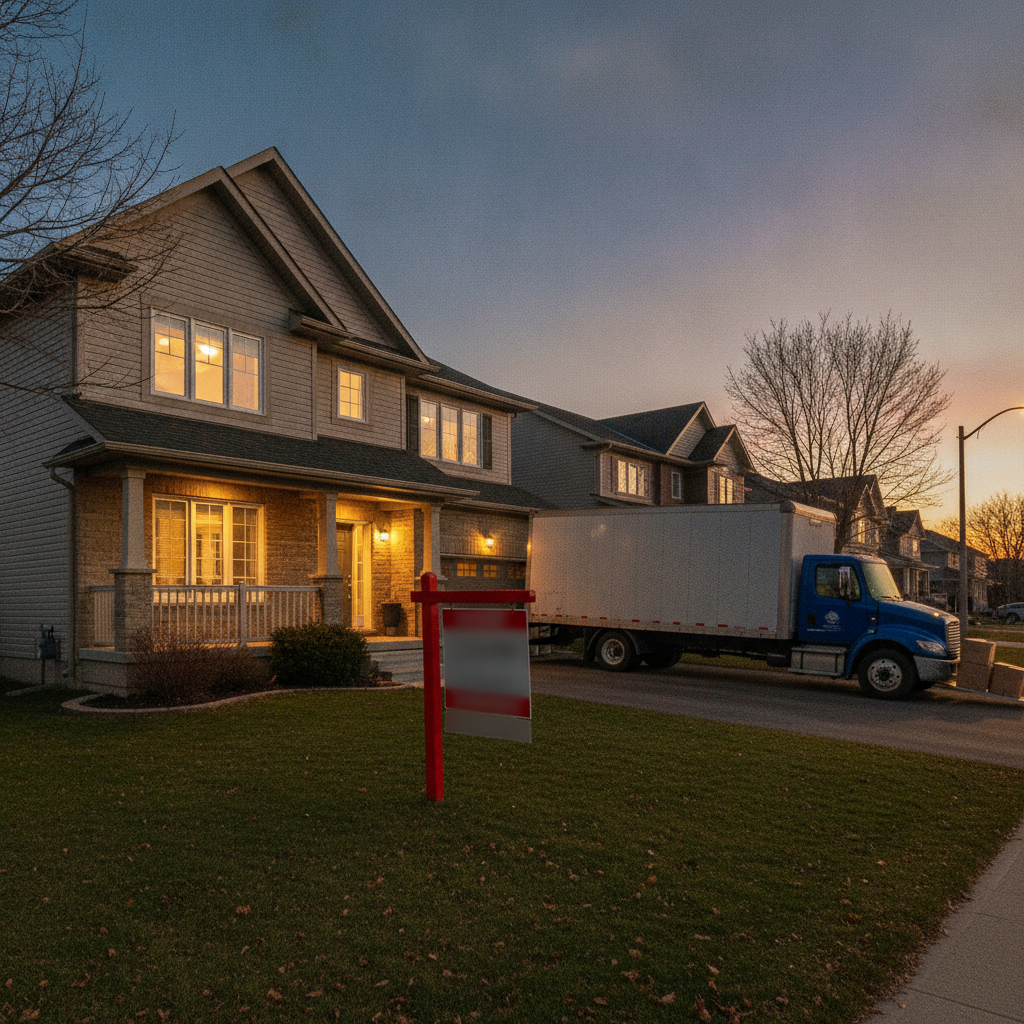
Need a step-by-step plan?
- Book a brief buyer consultation to align budget, documents, and target neighborhoods.
- We’ll set dates, build your vendor list, and create a first‑year maintenance calendar.
- Then we’ll monitor listings and act decisively when the right home hits the market.
Frequently Asked Questions
Homebuyers ask which costs are due when, how lenders view down payments and gifts, and what inspections cover. Clear answers prevent delays and make offers stronger. Here are concise responses to the questions we hear most.
What fees are due before closing?
Typically, deposits, inspection, and sometimes appraisal occur before closing. Insurance setup may also begin early. Your lender and lawyer will confirm exact timing based on the agreement and program rules.
Can a family gift count toward my down payment?
Yes, many programs allow gifted funds with a signed gift letter and proof the money isn’t a loan. Your lender will specify documentation requirements and timelines. Prepare the paper trail well before you waive conditions.
Do I need title insurance?
Title insurance is common and can protect against certain defects and fraud risks. Many lenders require evidence of title insurance or equivalent protections before funding proceeds.
What happens if the appraisal is lower than expected?
Your lender may reduce the mortgage amount, requiring you to adjust the plan. Options include renegotiating, increasing funds, or revising terms. Discuss scenarios during pre-approval so you’re ready if it occurs.
How soon should I book movers and utilities?
As soon as your closing date firms up, reserve movers and schedule utility transfer to avoid delays. For condos, secure elevator time early; for detached homes, confirm parking or street permits if needed.
Conclusion and Next Steps
A complete homebuying budget covers deposit, down payment, due diligence, legal/title, insurance, and move‑in/first‑year needs. Map each item to timelines and documents. With the right plan, you’ll make confident offers and close on schedule in Brampton.
- Key takeaways: plan across timelines, document funds early, and align with lender conditions.
- Action steps: get pre‑approved, run a focused property search, and book a buyer consultation.
- Local help: work with a Brampton‑focused Realtor for neighborhood‑level insights you can use.
Ready to build your plan? Let’s map your budget to the homes you actually want in Brampton and the Regional Municipality of Peel.