
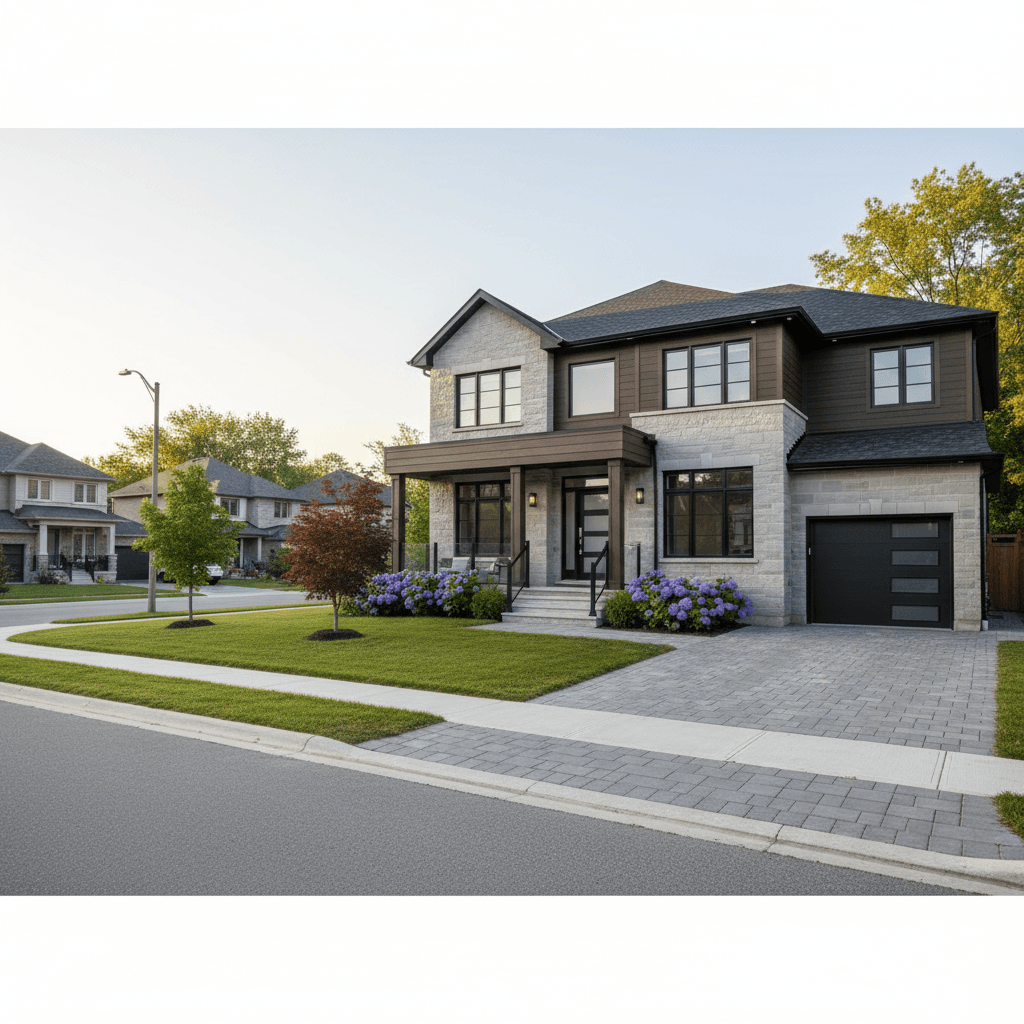
Home value estimate is an informed calculation of a property’s likely sale price based on comparable sales, current demand, and condition. If you’re in Brampton near 470 Chrysler Dr #20, you can get a reliable result fast by combining an instant tool with a local CMA and, when needed, a licensed appraisal. Here’s how to get a home value estimate step by step.
By Maunil Shah — Sales Representative, HomeLife/Miracle Realty Ltd., Brokerage
Last updated: 2026-05-30
Introduction: What a Home Value Estimate Really Is
A home value estimate is a data-backed opinion of what a qualified buyer would likely pay for your property today. It blends recent comparable sales, competing listings, and your home’s specific condition. The most dependable results layer methods: an instant online estimator, a local agent’s CMA, and, when required, a licensed appraisal.
Think of your estimate as a decision tool, not a promise. You’ll use it to shape timing, prep, and pricing. To keep it realistic, combine digital models with human expertise and micro-neighborhood comparables that match your property’s size, style, and age.
- Use multiple methods to reduce blind spots.
- Anchor decisions to sales within 90–180 days.
- Refresh numbers every 30–60 days as market conditions shift.
Quick Summary: Your Path to a Reliable Estimate
Use a three-step path: start with an instant online estimate, request a local Comparative Market Analysis (CMA), and validate with a licensed appraisal if you need lender-grade documentation. This layered approach balances speed, accuracy, and confidence for Brampton homeowners.
- Step 1: Run an instant estimate using your address for a quick baseline.
- Step 2: Ask a Brampton REALTOR for a CMA using 3–6 close, recent comps.
- Step 3: Order a licensed appraisal when you need formal documentation.
- Ongoing: Track market shifts and refresh the estimate every 30–60 days.
In our experience helping 150+ clients across the GTA, this three-layer model produces the most consistent results and fewer surprises during negotiations, inspections, and financing.
Before You Start (Prerequisites)
Gather accurate property details, recent upgrades, and a short list of nearby sales from the past 90–180 days. Clear, current inputs make every method stronger and help your agent build a CMA that reflects Brampton and the Regional Municipality of Peel’s real-time trends.
- Property basics: finished square footage, bedrooms/baths, lot size, parking, age, basement type.
- Improvements: kitchens, baths, roof, HVAC, windows, flooring—note install years and permits if any.
- Condition: list repairs needed, maintenance history, and recent professional inspections.
- Neighborhood factors: school catchments, transit access, nearby parks, and retail corridors.
- Photos: clear exterior/interior shots that accurately reflect current condition.

Local considerations for Brampton
- Note proximity to key transit stops like Torbram Rd at Williams Pky; walkability boosts buyer interest and showing volume.
- Winter listings need snow-free, well-lit photos; aim for midday light and salt walkways for safe, appealing showings.
- Weekends near Williams - Zum Bovaird Station Stop SB can be busier; time open houses to avoid peak congestion.
How to Get a Home Value Estimate: Step-by-Step
Start with an online estimate for a quick benchmark, then get a local CMA for neighborhood nuance, and use a licensed appraisal when you need formal documentation. This sequence provides speed, precision, and confidence for sellers, buyers, and lenders.
Step 1: Run an instant online estimate
An address-based estimator gives you a baseline range in seconds, along with a confidence score and the comparables it used. Treat this as your first checkpoint, not the finish line.
- Enter your full property address and verify bed/bath counts and square footage.
- Review which comparables (comps) were used and how recent they are (aim for 90–180 days).
- Note the range width; a wider spread often signals limited data or a unique property.
- Record the date; rerun after notable local sales to watch movement.
Want a walkthrough on reading valuation reports? This step-by-step explainer shows how to interpret major sections in a typical report—useful when comparing your online baseline to a human-prepared CMA. See this practical valuation report guide.
Step 2: Request a local CMA (Comparative Market Analysis)
A CMA is prepared by a real estate professional who hand-picks comparables and adjusts for differences like condition, lot size, renovations, and time on market. For Brampton homes, this often means focusing within 0.5–1.0 miles and 3–6 months.
- Target 3–6 sold comparables; add active and pending listings to gauge competition.
- Adjust for upgrades (e.g., new roof, finished basement, updated kitchen) and lot features (corner, end unit).
- Weigh comps by proximity and recency; nearer and newer data carries more weight.
- Align with micro-neighborhood boundaries; avoid crossing busy corridors if price behavior differs.
For an Ontario-focused perspective on preparing valuation inputs and reading local signals, this Ontario home value guide offers a helpful framework you can reference while reviewing your CMA.
Step 3: Consider a licensed appraisal when documentation matters
Refinances, estates, and some legal matters require a licensed appraisal. Expect an on-site inspection, a neighborhood analysis, and a report that reconciles multiple approaches, most commonly the sales comparison method for residential properties.
- Prepare access to all rooms and major systems; clear clutter for easier measurement and photos.
- Provide a written list of material upgrades with dates; bring permits if applicable.
- Expect 1–3 days for scheduling and delivery depending on availability and complexity.
Step 4: Align timing with local market momentum
Timing can shift your likely result. When absorption improves and days on market decline, well-prepped listings tend to see stronger activity within the first 7–14 days.
- Track days on market, list-to-sale ratios, and new listing counts in your submarket.
- Refresh your estimate every 30–60 days; supply and demand can change quickly.
- Watch seasonal cycles; spring often brings more buyers and fresh inventory.
Step 5: Stress-test your number
Pressure-test at least two scenarios so you’re ready for negotiation. Many sellers review “at market,” “slightly under,” and “reach” strategies before launch.
- Model different price points and expected showing traffic in the first 10 days.
- Compare estimated net proceeds under each strategy using realistic assumptions.
- Cross-verify with two sources (e.g., online estimate and CMA) for consistency.

Step 6: Decide on pre-listing improvements
Small updates can meaningfully improve photos and first impressions. Focus on visible, fast-turnaround items unless your CMA proves a premium for larger renovations in your exact micro-market.
- Prioritize paint, lighting, landscaping, and minor repairs; these often lift perceived value.
- Defer heavy remodels unless comps show clear premiums for similar upgrades.
- Document upgrades with receipts and dates to support buyer confidence.
Step 7: Convert estimate to strategy
Turn your target value into a launch plan that controls variables in the first three weeks—when momentum matters most.
- Pick a pricing stance: market value, slightly under to boost interest, or premium with standout staging.
- Map a go-live checklist: professional photos, staging, listing copy, and showing cadence.
- Set review checkpoints at 7, 14, and 21 days to adjust based on feedback and traffic.
AVM vs. CMA vs. Appraisal: What’s the Difference?
Automated Valuation Models (AVMs) are fast and free; a CMA adds local expertise and nuanced adjustments; an appraisal is the most formal and lender-accepted. Use AVM for a quick start, CMA for listing strategy, and appraisal when official documentation is required.
| Method | Speed | Accuracy | Best For | Notes |
|---|---|---|---|---|
| AVM (Online Estimate) | Seconds | Good for typical homes | First benchmark | Data-driven; limited by available comps and property uniqueness |
| CMA (Agent Analysis) | Hours–1 day | High when comps are strong | Listing strategy | Adjusts for upgrades, condition, and micro-neighborhood trends |
| Appraisal (Licensed) | 1–3 days | Highest, lender-grade | Refinance, estates, legal docs | Independent; reconciles multiple valuation approaches |
If you want a quick refresher on what a “home evaluation” entails at a high level, this concise home evaluation overview can help you align language as you compare AVM, CMA, and appraisal outputs.
Troubleshooting: When Numbers Don’t Add Up
If your AVM, CMA, and appraisal disagree, first verify data inputs, then refine comparables and reassess adjustments. Unique features, rapid market shifts, or incomplete records are common culprits—fix inputs before changing your pricing plan.
- Outlier comps: Remove flipped or distressed sales that skew averages.
- Missing upgrades: Ensure renovations and permits are documented so value isn’t undercounted.
- Incorrect records: Verify square footage, lot size, and bedroom count against city records and plans.
- Market whiplash: Re-run analysis if inventory or rates moved in the last 30–45 days.
- Appraisal review: If needed, request reconsideration with stronger comparables.
Here’s the thing: the fastest fix is usually clarifying facts—bed/bath count, finished basement status, parking, and lot type. We’ve seen reconciliations improve immediately once these basics are aligned across all reports.
Advanced Tips to Refine Your Valuation
Drill down to micro-neighborhoods, weight comps by recency and proximity, and normalize for condition. Then pressure-test with buyer feedback from showings and online views. The tighter your comp set, the more reliable your target list price.
- Micro-markets: Separate freehold vs. condo and age clusters within 5–10 years.
- Time adjustments: Apply monthly trend factors when markets trend up or down.
- Condition tiers: Group properties by as-is, updated, and turnkey; price accordingly.
- Comp weighting: Favor comps within 0.5 miles and 90 days; reduce weight as distance/time increase.
- Differentiators: Premiums for corner lots, end units, south exposure, or view corridors.
- Scenario testing: Map “at, under, reach” pricing to 7, 14, 21-day performance checkpoints.
For step-by-step tips on the homeowner side of the process (inputs, timing, and prep), this short market report explainer can help you ask sharper questions during your CMA review.
Want a precise Brampton CMA? We’ll build a personalized analysis that includes on-market competition, micro-neighborhood adjustments, and a clear launch plan. Start with the address-based “What’s My Home Worth?” tool, then book a quick consultation to review your options.
FAQ: Home Value Estimates
These quick answers address common questions about home value estimates, CMAs, and appraisals in Brampton. Use them to decide which method you need now—and what to do next to validate your number.
How do I get a fast home value estimate?
Use an online estimator for a baseline within seconds, then ask for a local CMA to refine it. If you need lender-ready documentation, order a licensed appraisal. Refresh every 30–60 days as market conditions change.
What’s the difference between a CMA and an appraisal?
A CMA is prepared by a real estate professional to guide pricing and strategy; an appraisal is completed by a licensed appraiser and is accepted by lenders. Use a CMA for listing decisions; use an appraisal when formal documentation is required.
How often should I update my estimate?
Update every 30–60 days or after major market changes, renovations, or notable sales on your street. Frequent refreshes keep your strategy aligned with current demand and competing listings.
Do renovations always increase value?
Not always. Cosmetic updates and regular maintenance often improve marketability more than heavy remodels. Validate potential premiums with a CMA focused on truly comparable properties that recently sold in your micro-neighborhood.
Is an online estimate enough to set my list price?
Treat online estimates as a starting point. Combine them with a CMA that adjusts for condition and current competition. If a lender or legal process is involved, you’ll likely need a licensed appraisal as well.
Additional Resources and Tools
Use reputable resources for valuation education and neighborhood-level insight. Pair broad guides with hyperlocal tools and a Brampton-focused agent to translate trends into the right pricing decision for your street.
- Run an address-based estimator to get an instant baseline and track changes as new comparables close.
- Use a location-first property search to monitor actives and pendings that compete with your home.
- Review a concise third-party overview of what a home evaluation covers to align terminology.
Key Takeaways
Layer your methods, verify your inputs, and refresh often. AVM for speed, CMA for strategy, appraisal for documentation. Align timing with local momentum and convert your target number into a disciplined, 21-day launch plan.
- Start with an online estimate; don’t stop there.
- Ask for a Brampton CMA using 3–6 close, recent comps.
- Use an appraisal when you need formal, lender-grade support.
- Refresh every 30–60 days and after notable nearby sales.
- Translate the number into a clear launch plan with 7/14/21-day checkpoints.
Conclusion: Turn Your Estimate into a Smart Plan
The best way to get a home value estimate is to layer methods: instant AVM, local CMA, and a licensed appraisal when formality is needed. With this approach, you’ll set a price that attracts buyers and supports a smooth, confident sale.
If you’re in Brampton or nearby cities like Mississauga, Oakville, or Kitchener, lean on local expertise to move from estimate to execution. Start online, review a CMA together, and choose the launch plan that fits your goals and timeline.