
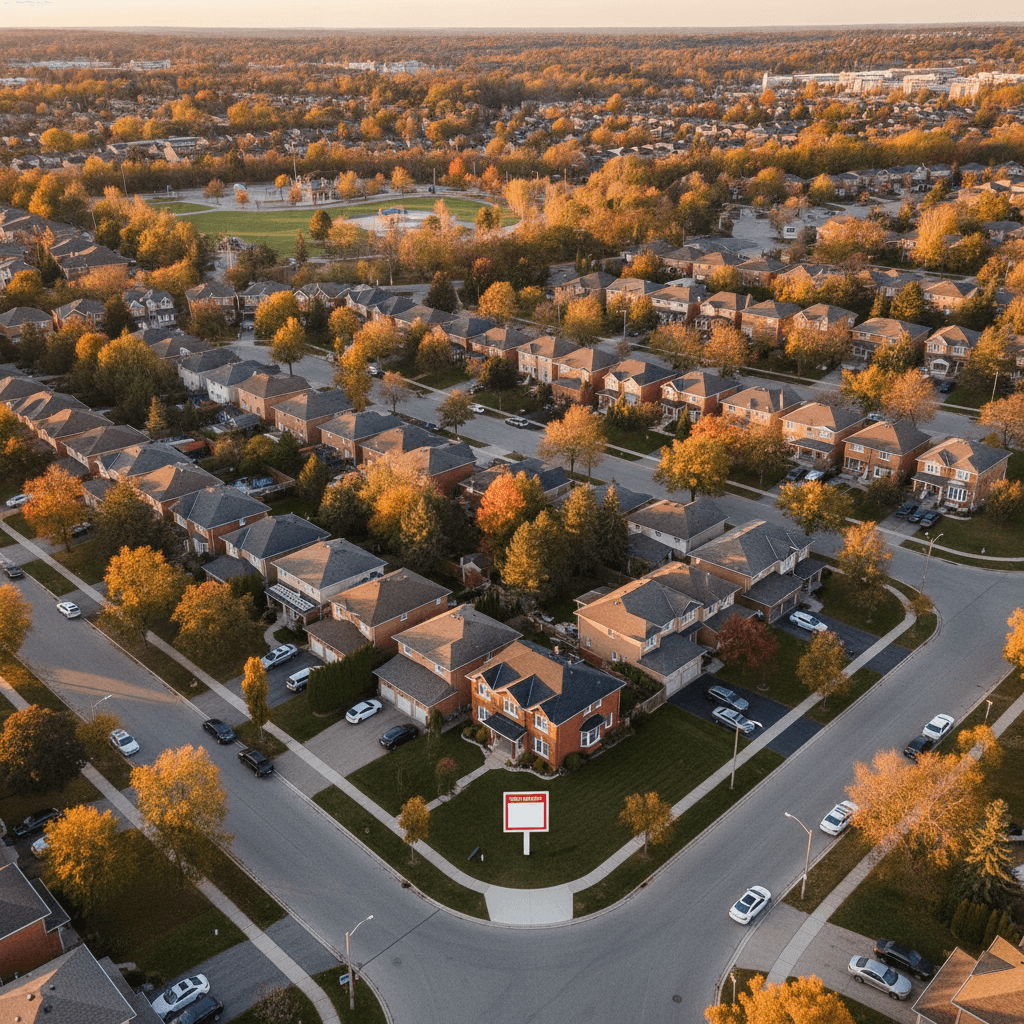
A real estate market report for buyers is a focused snapshot of inventory, pricing trends, and buyer leverage that helps you decide when and how to act. In Brampton, it translates raw data—like months of supply and days on market—into clear next steps so you can buy confidently in 2026.
By Maunil Shah — Sales Representative, HomeLife/Miracle Realty Ltd., Brokerage • Last updated: June 28, 2026
Quick Summary (Above the Fold)
Brampton’s 2026 buyer market report shows improving selection and steady buyer leverage. Use months of supply, list-to-sale ratios, and days on market to time offers. Pair the data with neighborhood-level property search, a fast home valuation, and VIP market reports to move from browsing to buying with confidence.
Here’s the thing—market data only helps if it’s easy to use. This summary highlights what matters most for Brampton buyers and how to act on it this season.
- Buyer leverage signals: Higher months of supply, longer days on market, and more conditional sales activity.
- Momentum indicators: New listings trend, absorption rate, and list-to-sale price dynamics by property type.
- Neighborhood focus: Micro-trends can differ street by street; zoom in before you bid.
- Action path: Search by location, shortlist, preview in person, verify with comps, and craft terms that win.

Local considerations for Brampton
- Commuter access matters. Homes near Torbram Rd at Williams Pky bus connections often see brisk showings midweek; plan tours accordingly.
- Seasonality shifts. Spring brings the most new listings; late summer can offer quieter negotiations and more flexible terms.
- On-the-ground nuance. In our experience, townhomes with finished basements trade faster in family corridors; adjust offer speed when you see that combo.
What Is a Real Estate Market Report for Buyers?
A buyer market report distills supply, demand, and pricing signals into practical guidance for purchasing. It covers months of supply, days on market, absorption, list-to-sale ratios, and neighborhood micro-trends. For Brampton, we translate these metrics into clear steps for timing, property selection, and offer strategy.
Think of it as a navigation system for your search. The report layers fundamentals (inventory and demand) with real-time signals from showings and accepted offers.
- Inventory picture: Active listings by type (detached, semi, townhouse, condo) and bed/bath mix.
- Velocity measures: Days on market bands and how quickly conditionally sold listings firm up.
- Price behavior: List-to-sale ratio patterns, relist frequency, and price adjustment cadence.
- Absorption strength: The rate at which new inventory is purchased relative to supply.
- Neighborhood variation: Schools, transit, and lot characteristics that shift buyer traffic.
Here’s why this matters: when you know whether buyers or sellers hold the leverage, you can pick terms—closing date, conditions, deposit timing—that protect you and still win.
Why This Report Matters in Brampton
This report converts Brampton’s shifting market signals into buyer advantage. It helps you gauge leverage, anticipate competition by property type, and align your financing and search steps so you can make a strong, safe offer without rushing—or missing the right home.
Brampton is dynamic. Detached homes, entry-level townhouses, and newer condos don’t always move in sync. We’ve seen pockets where townhomes draw multiple offers while similar-price condos sit.
- Family-driven demand: Proximity to parks, schools, and transit routes shapes weekend showing traffic.
- Micro-markets: A two-street difference can change days on market by a week or more.
- Leverage timing: Balanced conditions let buyers negotiate repairs, inclusions, or flexible closings.
- Risk control: Understanding conditional-sale patterns helps you use financing and inspection conditions strategically.
Bottom line: If you only watch headline prices, you’ll miss the real opportunities created by inventory flow and time-on-market shifts.
How to Read the Numbers (Without Getting Lost)
Focus on five buyer-facing metrics: months of supply, days on market, absorption rate, list-to-sale ratio, and new listings trend. Read them together. A rising supply with longer days on market and softer list-to-sale ratios indicates more room to negotiate and safer conditions for due diligence.
Numbers tell a story when you read them side-by-side. Here’s the quick primer we use with clients.
Core buyer metrics explained
- Months of supply (MOS): How long current inventory would last at today’s sales pace. Higher MOS usually signals more buyer leverage.
- Days on market (DOM): The median time a listing sits active. Longer DOM hints at negotiation space or overpricing.
- Absorption rate: The percentage of listings that sell within a period. Slower absorption often favors buyers.
- List-to-sale ratio: Final sale price versus list price. Ratios at or below 100% indicate softening bidding pressure.
- New listings trend: A rising trend expands choice. Watch whether absorption keeps pace.
Reading signals together (examples)
- MOS up + DOM up + list-to-sale down: Negotiate more confidently; keep financing and inspection conditions.
- MOS flat + DOM down + new listings flat: Tighten timelines; pre-approval and fast showings matter.
- MOS mixed by type: Detached may soften while townhomes heat up—tailor strategy per segment.
In our experience, the best decisions happen when you match the numbers with property-level facts—lot size, renovations, condo fee history, and local buyer traffic.
Buyer vs. Balanced vs. Seller Markets: Comparison Table
Use this table to match market type with strategy. Buyer markets favor contingencies and measured offers; balanced markets reward fair pricing and clean terms; seller markets demand speed and strong deposits. Align your plan with where Brampton segments sit today.
| Indicator | Buyer Market | Balanced Market | Seller Market |
|---|---|---|---|
| Months of Supply | Higher; plenty of choice | Moderate; steady choice | Lower; scarce choice |
| Days on Market | Longer; patient pacing | Stable; predictable | Short; rapid sales |
| List-to-Sale Ratio | At or below 100% | Near 100% | Above 100% |
| New Listings Trend | Rising faster than sales | In step with sales | Sales outpace listings |
| Buyer Leverage | Higher; negotiate terms | Balanced; fair terms | Lower; cleaner offers |
| Typical Strategy | Keep conditions; verify comps | Offer fair; limit extras | Pre-empt or compete fast |
Markets can split by segment. A neighborhood may be balanced for detached homes yet lean seller-strong for entry townhouses. We plan per segment, not just citywide averages.
Best Practices: Turning the Report into Action
Turn insight into movement: lock financing, search by micro-area, vet comps, and tailor your offer to the segment’s leverage. Use clean terms when competition rises and full due diligence when supply expands. Always anchor decisions in verified neighborhood comparables.
Pre-approval and documentation
- Secure a current mortgage pre-approval and know your rate hold window.
- Prepare proof of down payment and employment letters to speed conditional periods.
Neighborhood-first search
- Use location filters to map commute, school, and amenity access before touring.
- Create A/B/C lists by street pocket; micro-markets change quickly.
Offer strategy by segment
- Detached with higher MOS: Negotiate inclusions, repairs, and longer closings.
- Entry townhomes with fast DOM: Tighten conditions; consider pre-inspections.
- Condos with mixed absorption: Scrutinize financials, fees, and special assessments.
Due diligence that protects you
- Use financing and inspection conditions where leverage allows; shorten—not skip—when competition tightens.
- Cross-check property history: prior listings, relists, and withdrawn attempts can signal motivation.
We’ve found that disciplined prep turns a good house into the right home. The market rewards organized buyers.
Tools and Resources for Brampton Buyers
Leverage three core tools: a neighborhood-first property search, an instant address-based home valuation, and VIP market reports. Together, they align your shortlist with real-world pricing and timing—so your first offer is your best offer.
- Property search (by location): Zero in on streets and pockets that match your daily routine.
- Home valuation (What’s My Home Worth?): When you’re selling to buy, fast value insight guides timing and terms.
- VIP market reports: Receive buyer-focused updates on inventory, DOM, and list-to-sale patterns.
- Consultation: A short strategy call aligns financing, search, and offer tactics for your segment.
For broader context on market reading, see these regional guides and explainers for background and terminology used by many buyers and agents across the GTA: check a 2026 market overview, a practical buyer’s agent guide, and a concise marketplace explainer.

How to Use This Report: Step-by-Step
Follow a five-step path: set goals, lock pre-approval, search narrow areas, evaluate comps, and write a segment-aligned offer. Re-check the market type before submitting. If leverage shifts, adjust terms—don’t force yesterday’s strategy on today’s conditions.
- Define needs vs. wants: Bedrooms, commute, school zones, and must-have features.
- Pre-approval + documents: Rate hold verified; proof of funds ready.
- Micro-area search: Shortlist 6–10 addresses that truly fit your life.
- Comps + condition plan: Review verified comparables; pick conditions that match leverage.
- Offer and timing: Submit during windows when competition is quiet; consider weekday offers.
You might be wondering, “What if the property is perfect but the market is hot?” Then we focus on speed, clean terms, and move optional asks (like minor repairs) into post-inspection negotiations if possible.
Case Studies: Real Brampton Buyer Scenarios
These short scenarios show how buyers win when they align strategy with market signals. Each example mirrors real conditions we encounter in Brampton: mixed market types by segment, fast-moving townhomes, and condos with deeper due diligence needs.
Case 1: Townhome near transit, multiple offers
Scenario: A three-bedroom freehold townhome close to Torbram Rd at North Park Dr shows strong weekday traffic. DOM is trending low in this micro-pocket.
- Action: We verified comparables, arranged a pre-inspection, and used clean terms with a firm timeline.
- Outcome: Client secured the home by matching the segment’s speed and tightening conditions safely.
Case 2: Detached with higher MOS, room to negotiate
Scenario: A detached listing with 20+ DOM and several relists indicates softer demand.
- Action: We kept financing and inspection conditions, negotiated inclusions, and aligned closing with the seller’s move.
- Outcome: Win-win terms with verified value and protected due diligence.
Case 3: Condo with mixed absorption
Scenario: Mid-rise condo building where absorption varies by floor plan.
- Action: We scrutinized reserve fund status, fee history, and any special assessments before finalizing conditions.
- Outcome: Confident purchase supported by building-level facts, not just price headlines.
Value Signals (Not Pricing): Reading Affordability and Fit
Skip sticker shock. Focus on value signals you can verify: time-on-market trends, relist frequency, repairs deferred, and seller flexibility. These clues often matter more for your total experience than headline prices that shift month to month.
- Time value: Longer DOM and price adjustments can translate to more favorable terms.
- Condition value: Homes needing small updates may trade with fewer bidders and stronger negotiation space.
- Flexibility value: Sellers with a target closing date may prioritize certainty over minor price differences.
- Carry-cost clarity (condos): Review fee history and amenities upkeep to project long-term comfort.
The goal is simple: match your lifestyle and long-term comfort with verifiable property facts and market leverage—without getting stuck on list prices alone.
Frequently Asked Questions
Buyers ask about timing, conditions, and market types. The right move depends on months of supply, days on market, and your financing readiness. Here are concise answers to the most common questions we hear in Brampton.
When is the best time to buy in Brampton?
Seasonal patterns matter. Spring expands selection, while late summer and parts of fall can ease competition. Watch months of supply and days on market by segment; if inventory builds and velocity slows, you gain leverage for safer, more complete due diligence.
How do I know if I’m in a buyer, balanced, or seller market?
Check months of supply, list-to-sale ratios, and days on market together. Higher supply with longer days and sale prices near list usually indicates more buyer leverage. Mixed signals by property type are common—tailor strategy to each segment rather than citywide averages.
Should I waive conditions to win a home?
Only when competition is intense and risks are understood. In speed-driven segments, consider pre-inspections or shortened timelines instead of waiving entirely. When supply is higher, keep financing and inspection conditions—your leverage improves safety without reducing competitiveness.
What’s the first step if I’m selling and buying at the same time?
Start with an address-based valuation to time your sale and align financing. Then run a neighborhood-first search for your next home. With both timelines visible, you can choose conditions and closings that keep your move smooth and financially safe.
How do I use comparables (comps) correctly?
Match like-for-like: same style, size, age, and location. Adjust for renovations, lot features, and recent relists. Use three to five recent sales to set a fair range. Pair comps with current days on market and months of supply to fine-tune your offer terms.
Conclusion and Next Steps
Use this buyer market report to read leverage, align financing, and tailor offers by segment. When you convert metrics into steps—search, shortlist, verify, and offer—you minimize risk and move faster when the right Brampton home appears.
- Key takeaways: Read MOS, DOM, and list-to-sale ratios together; segment strategies differ.
- Action now: Lock pre-approval, map micro-areas, and track new listings versus absorption each week.
- Next step: Book a short strategy call to align due diligence with current leverage in your target pocket.
Want a buyer strategy built for your streets? Let’s align your search, valuation, and offer plan for Brampton’s current conditions. Reach out at maunilyourrealtor.ca.