
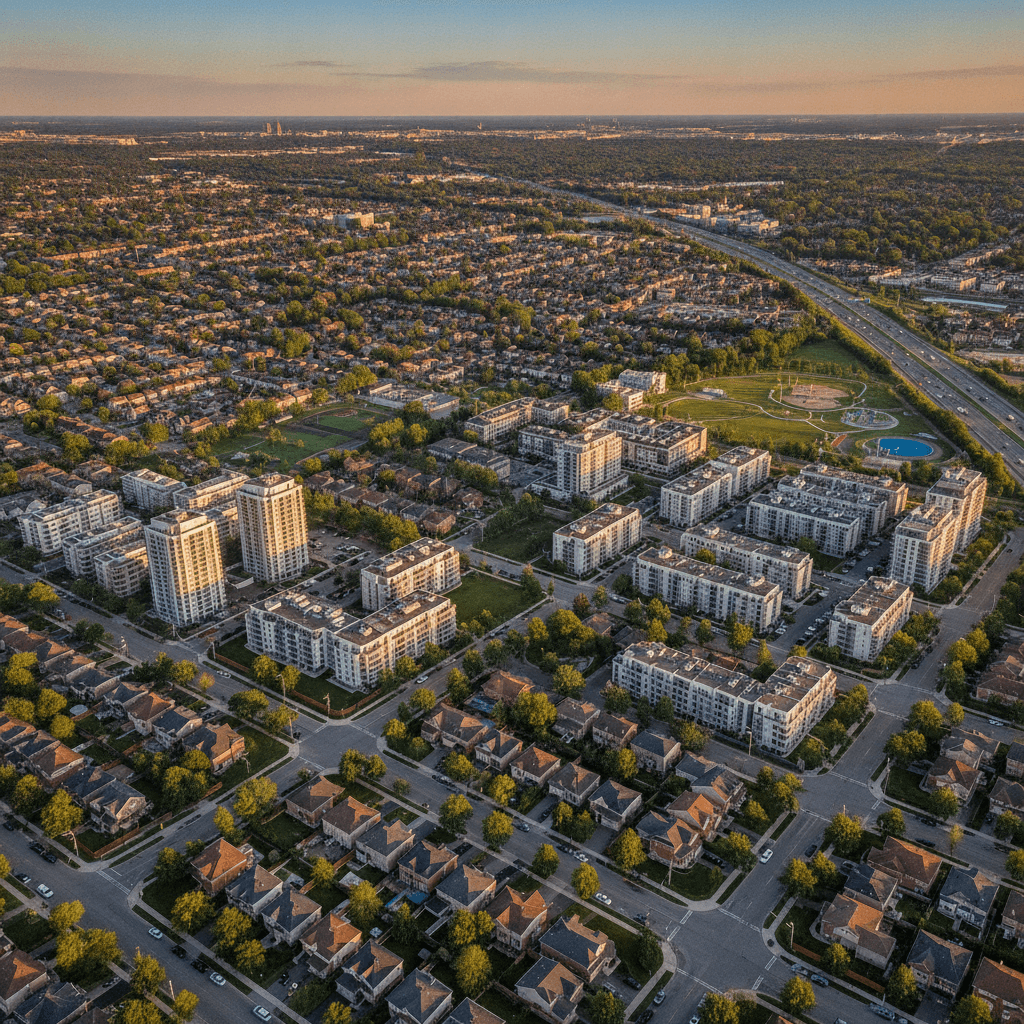
Regional Municipality of Peel real estate trends are the clear patterns in prices, inventory, days on market, and buyer demand shaping Brampton, Mississauga, and Caledon. In Brampton specifically, these trends signal when to list, how to price, and what buyers prioritize right now—vital inputs for confident decisions.
By Maunil Shah, Realtor, HomeLife/Miracle Realty Ltd., Brokerage
Last updated: 2026-06-30
At a Glance: Peel Market Guide & TOC
Peel’s 2026 housing market centers on tight but shifting inventory, selective buyers, and neighborhood-driven pricing. Brampton sellers win with data-backed pricing and prep. Buyers succeed with pre-approval, neighborhood focus, and fast, informed offers. Use search tools, valuation, and VIP reports to act on signals faster.
This complete guide is tailored for Brampton buyers and sellers using our property search, valuation, and VIP reports. It explains what the signals mean, why they matter locally, and how to move from insight to action without guesswork.
- What you’ll learn
- What “regional municipality of Peel real estate trends” means in practical terms
- Why these signals matter more in Brampton’s 2026 market cycle
- How inventory, DOM, and migration shape pricing power
- Action checklists for buyers and sellers (with local nuances)
- Quick navigation
What Is “Regional Municipality of Peel Real Estate Trends”?
Peel real estate trends refer to the measurable shifts in home prices, inventory, days on market, and buyer preferences across Brampton, Mississauga, and Caledon. For Brampton clients, these signals indicate timing, preparation, and strategy—what to list, how to price, and where to focus your search today.
When we talk about regional municipality of Peel real estate trends, we’re packaging the market’s most useful signals into something you can use this week. The core inputs are supply, demand, timing, and product fit. Put differently, inventory and buyer intent move first, prices and days on market follow.
Key components of Peel trends
- Prices: Median and benchmark values indicate current buyer willingness.
- Inventory: Months of inventory (MOI) shows supply pressure and leverage balance.
- Days on market (DOM): Speed of sale highlights momentum and pricing accuracy.
- Sales-to-new-listings (SNLR): Balance gauge—tight markets boost SNLR; softer markets reduce it.
- Migration & commutes: Work patterns and transit flows shift neighborhood demand.
For Brampton sellers, reading these components quickly is a competitive edge. For buyers, it’s the difference between reacting late and writing the first, cleanest offer on the right home.
Why Peel Trends Matter for Brampton Buyers and Sellers
These trends determine leverage. When inventory tightens and DOM shortens, well-prepared listings earn more attention. When supply builds, buyers gain choices and negotiation room. Understanding the cycle lets Brampton clients time listings, refine offers, and avoid preventable delays.
Trends compress into two big questions: Who has leverage, and why? In our experience advising Brampton clients, the agent who can answer those questions clearly—using current neighborhood signals—can shape outcomes without overpaying or underpricing.
What this means for you
- Sellers: Data-backed pricing and day-one presentation protect momentum.
- Buyers: Focused searches plus pre-approval create speed and confidence.
- Investors: Rent, vacancy, and development pipelines map yield and risk.
Here’s the thing: market noise is constant. What matters is the handful of signals that actually move behavior on your street this month. We track those for you and translate them into simple, repeatable actions.
How Peel Market Dynamics Work
Peel’s market moves in feedback loops. Mortgage eligibility shapes demand; inventory responds with a lag; prices and DOM adjust next. In Brampton, neighborhood traits—schools, transit, and housing mix—amplify or mute these loops, so reading signals locally is essential.
Think of the cycle as a simple engine: affordability turns the key, listings add fuel, and buyer tours test the throttle. We’ve found that when showings rise and conditional offers tighten, accepted offers follow soon after. Conversely, when open houses are quiet, DOM stretches.
- Affordability channel: Financing terms influence active buyers and list-to-sale dynamics.
- Supply channel: New listings and completions reshape choices at the block level.
- Demand channel: Household formation, commute times, and lifestyle needs set preferences.
- Sentiment channel: Headlines nudge urgency, but neighborhoods set reality.
In Brampton, family-sized homes near reliable transit corridors or strong school catchments often lead recoveries first. Townhomes and stacked condos can move fastest when detached prices stretch budgets.

Types of Trends & How to Read Them
Read Peel trends in three buckets: pricing momentum, supply balance, and buyer behavior. Each bucket has simple tells—like DOM direction, SNLR balance, and showing volumes—that translate into clear actions for Brampton buyers and sellers.
Pricing momentum signals
- List-to-sale gap: Small gaps imply accurate pricing and active demand.
- DOM shifts: Shortening DOM suggests momentum; lengthening calls for repositioning.
- Comp velocity: New comparable sales landing faster indicate a rising neighborhood.
Supply balance signals
- SNLR trend: Persistent imbalance alters leverage in weeks, not months.
- Inventory turnover: Faster turnover points to resilient buyer pools.
- New-build deliveries: Completions near transit nodes can add micro-supply quickly.
Buyer-behavior signals
- Showing-to-offer ratio: Fewer tours yet steady offers implies intent-rich buyers.
- Conditional length: Shorter conditions signal confidence and competition.
- Feature preferences: In 2026, functional layouts and energy efficiency rank high.
Use a simple habit: write down three signals before you decide. If inventory is rising but your home is turnkey, lead with presentation and speed. If inventory is thin, precision pricing and pre-launch marketing can capture outsized attention.
Best Practices: Turning Signals into Strategy
Translate Peel signals into a 3-step plan: prepare, position, and perform. In Brampton, listings that launch with tight prep, precise pricing, and proactive communication consistently outpace the market—while buyers who narrow searches and act fast win the right homes.
For Brampton sellers
- Prepare
- Pre-inspection and punch list to reduce surprises.
- Professional photos, lighting fixes, and declutter zones.
- Document updates and warranties in one neat package.
- Position
- Price to the last three comparable sales within the micro-area.
- Launch Thursday; maximize weekend traffic and early momentum.
- Offer flexible showings and quick responses to keep buyers warm.
- Perform
- Track showings-to-offers daily; adjust at pre-set checkpoints.
- Use clear instructions for offers, irrevocable times, and inclusions.
- Negotiate with facts (fresh comps, DOM shifts, and buyer traffic).
For Brampton buyers
- Prepare
- Secure pre-approval and proof of funds readiness.
- Define must-haves vs. nice-to-haves in a one-page brief.
- Subscribe to instant alerts for your short list of areas.
- Position
- Tour early listings first; speed creates optionality.
- Use recent comps to frame your opening and ceiling.
- Write clean, concise offers with realistic conditions.
- Perform
- Measure showing-to-offer ratio and respond decisively.
- Keep closing timing flexible to widen your candidate pool.
- Reassess your brief every five tours—signal drift is real.
Tools & Resources for Brampton Clients
Use three essentials: location-based search to spot inventory, an address-based valuation to price with confidence, and VIP market reports for monthly context. Together, they turn Peel trends into day-to-day decisions you can trust.
Our site centers on speed and clarity. The location-first property search surfaces relevant homes in seconds. The What’s My Home Worth tool estimates value by address to help frame pricing and prep. VIP buyer/seller reports teach you what to expect at each step.
- Property search: Narrow by neighborhood, property type, and must-have features.
- Home valuation: Enter your address to see a value range and comparable insights.
- VIP reports: Learn how offers, conditions, and timing work in today’s market.
- Consultation: A short strategy call aligns your goals with the latest Peel signals.
For broader GTA context and prep ideas, you can also review regional perspectives like a Toronto market overview, an Ontario-wide guide, or a Brampton-focused pre-construction primer to round out your research.
Pricing Factors in Peel for 2026
Brampton pricing in 2026 reflects neighborhood inventory, renovation readiness, and buyer trade-offs. Homes that show well and align with family-focused layouts gain momentum. When supply is thin, precision pricing drives quick interest; when supply builds, strategic repositioning keeps traffic high.
Here’s a simple way to frame pricing decisions in Peel: match product to today’s buyer. Function beats flash. A tidy three-bedroom near everyday transit often outperforms a larger but awkward layout. Presentation multiplies reach while correct pricing locks in qualified showings.
| Signal | What it means | Smart action |
|---|---|---|
| DOM tightening | Momentum building for similar homes | Hold price; enhance presentation |
| Inventory rising | More options for buyers | Revisit price band; improve incentives |
| SNLR softening | Leverage shifts to buyers | Emphasize flexibility and speed |
| Comp velocity high | Fresh sales landing quickly | List confidently with tight range |
Local considerations for Brampton
- Plan tours around reliable bus corridors like Williams - Zum Bovaird Station Stop SB to compare neighborhoods efficiently.
- Spring and early fall bring active listing cycles; align prep, photos, and launch for maximum daylight and yard appeal.
- For homes near Torbram Rd at Williams Pky, highlight commute convenience and access to daily amenities in your marketing remarks.
Brampton Case Studies & Real-World Examples
Success in Brampton looks repeatable: tight prep, precise pricing, and quick communication. Listings that launch cleanly hit more buyer shortlists. Buyers who define must-haves and act fast secure better terms. These small, consistent habits compound results.
Case 1: Townhome that led the micro-market
- Context: Family townhome, walkable to daily transit and parks.
- Moves: Pre-inspection, light handyman fixes, Thursday launch.
- Result: Strong weekend traffic and a clean early offer.
Case 2: Detached with dated finishes
- Context: Solid bones but cosmetic fatigue.
- Moves: Focused staging, lighting improvements, value-anchored pricing.
- Result: DOM held steady; buyers responded to function first.
Case 3: First-time buyer short list
- Context: Budget-sensitive couple seeking three-bedroom practicality.
- Moves: Narrowed search to two micro-areas; instant alerts and weekday tours.
- Result: Early tour on day two and a decisive, clean offer.

Free Market Strategy Session
- 15-minute call to align goals with current Peel signals
- Property search setup with instant alerts
- Seller prep checklist + valuation framework
We’ll translate the latest Brampton signals into your next 3 action steps.
How to Use This Guide in the Next 7 Days
Pick your lane—buying or selling—then run a short sprint: define goals, gather comps, and schedule tours or prep tasks. Seven days is enough to build clarity, test assumptions, and position yourself to move when the right opportunity appears.
- Clarify your brief: Three must-haves, three nice-to-haves, and your top two neighborhoods.
- Benchmark today: Review three recent comps that match your target property.
- Set alerts: Get notified of new listings that fit your brief.
- Tour or prep: Buyers tour two homes midweek; sellers complete a punch list.
- Regroup: Adjust expectations and next steps based on signal shifts.
Common Mistakes to Avoid in Peel
The most common missteps are overpricing, late preparation, and chasing headlines over neighborhood data. Solve these by anchoring to fresh comps, launching with complete materials, and focusing on block-level signals that actually move buyers.
- Overpricing day one: Kills momentum and stretches DOM.
- Weak disclosure packets: Invite renegotiation and delays.
- Too-broad searches: Waste time and miss early opportunities.
- Underestimating commute fit: Commute stress reduces staying power.
- Ignoring micro-supply: A single new-build phase can change leverage nearby.
Peel Market Scenarios and Your Playbook
Plan for three scenarios: tightening, balanced, or softening conditions. Your playbook tweaks pricing, presentation, and speed to fit each case. In Brampton, small adjustments at the right time can change outcomes materially.
If conditions tighten
- Sellers: Hold pricing discipline; emphasize turnkey appeal.
- Buyers: Tour earlier, write cleaner, and consider flexible closes.
If conditions balance
- Sellers: Refresh photos, revisit incentives, and keep response times short.
- Buyers: Expand search by one micro-area; compare layout efficiency.
If conditions soften
- Sellers: Improve presentation; adjust pricing bands thoughtfully.
- Buyers: Negotiate on timing and inclusions; keep conditions realistic.
Top Signals to Watch Weekly
Track five signals: new listings, showings trend, DOM direction, fresh comparables, and condition lengths. Read them together, not in isolation. A simple weekly dashboard keeps you ahead of the curve in Brampton.
- New listings vs. sales: Gauges immediate supply-demand balance.
- Showing activity: Early tell for offer momentum.
- DOM trend: Measures if pricing fits reality.
- Fresh comps: Validates your list or offer strategy.
- Condition timelines: Reflects buyer confidence and competition.
Frequently Asked Questions
Brampton clients ask how to time listings, craft competitive offers, and use data day to day. The short answers: match prep to current inventory, write clean offers shaped by comps, and review a simple weekly dashboard to stay aligned.
What does “regional municipality of Peel real estate trends” actually mean for my street?
It means tracking local inventory, days on market, and recent comparable sales in your micro-area. Read them together to see who has leverage. When signals favor sellers, launch with tight prep and responsive communication. When they favor buyers, expect more negotiation room and longer timelines.
How can I tell if my Brampton home is priced correctly?
Compare to the last three nearby sales with similar size and condition, monitor showings in week one, and watch for a small list-to-sale gap in your segment. If traffic is light while inventory rises, consider a calibrated adjustment and stronger presentation to recapture momentum.
As a buyer, what’s the single best move in a tightening Peel market?
Get pre-approved and narrow your brief to two micro-areas. Tour early-week listings first and write clean offers with realistic conditions. Speed plus clarity beats chasing every listing. Reassess after five tours to keep your expectations aligned with live market signals.
Do seasonal patterns still matter in 2026?
Seasonality still influences behavior—spring and early fall see active launches and tours—yet neighborhood-level supply and buyer fit often matter more. Use seasonal timing to your advantage, but ground decisions in current inventory, DOM direction, and fresh comparable sales.
Conclusion: Your Next Three Steps
Peel’s 2026 market rewards clarity and timing. Define your brief, anchor to fresh comps, and act fast when signals align. With a focused plan, Brampton buyers and sellers can move confidently through changing conditions.
- Key takeaways
- Inventory, DOM, and buyer behavior drive leverage in Brampton.
- Preparation, precise pricing, and fast communication shape outcomes.
- Simple tools—search, valuation, and VIP reports—turn data into action.
- Action steps
- Buyers: finalize pre-approval and set listing alerts for two micro-areas.
- Sellers: complete a punch list and assemble a clean disclosure packet.
- Everyone: review a one-page dashboard weekly to stay aligned.
Ready to translate today’s regional municipality of Peel real estate trends into your advantage? Book a friendly discovery session in Brampton and we’ll map your next 3 steps together.