
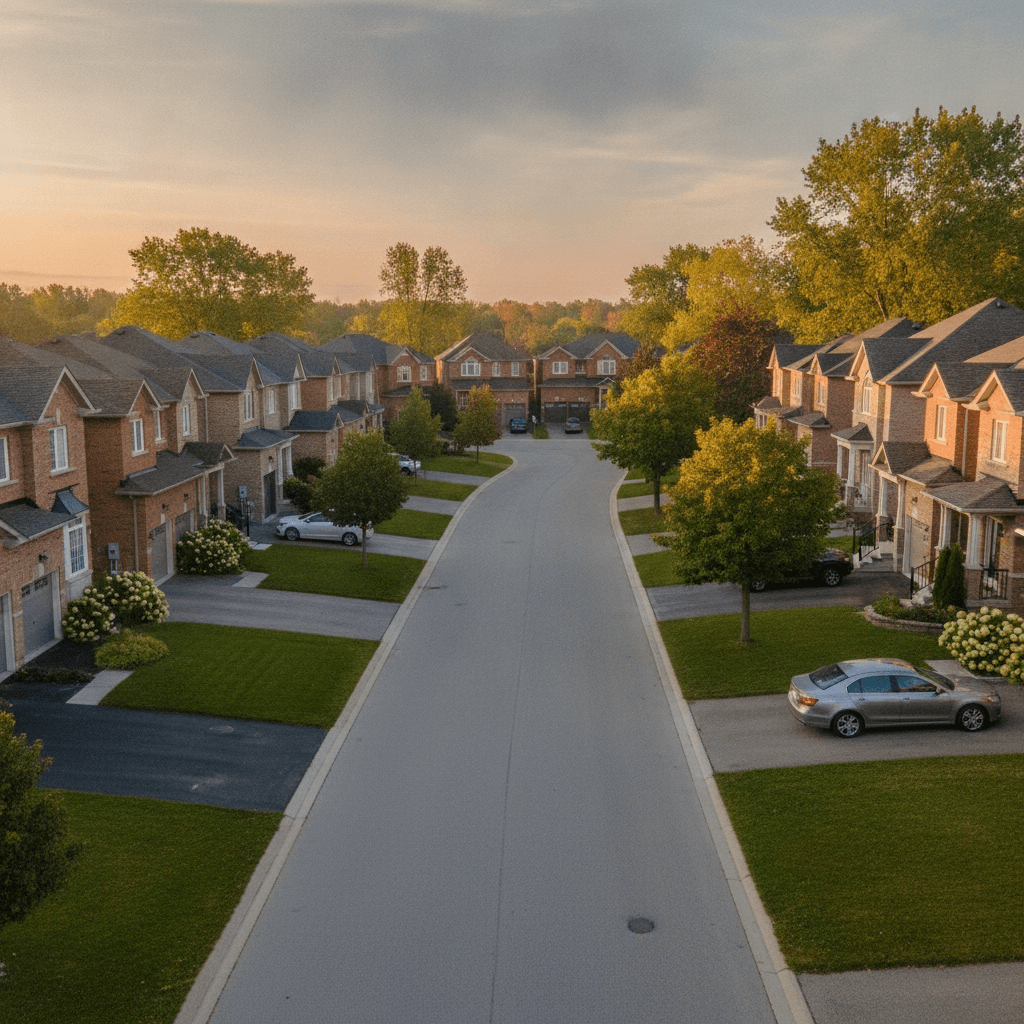
What impacts home value is the set of location, property, and market factors that determine what buyers will pay for a home. In Brampton, the biggest drivers are neighborhood desirability, condition and upgrades, size and layout, school and transit access, supply vs. demand, and interest-rate trends. Understanding these factors helps you price, negotiate, and invest wisely.
By Maunil Shah, Realtor — HomeLife/Miracle Realty Ltd., Brokerage
Last updated: 2026-06-29
Above-the-Fold: Hook + TOC
Home value rises when buyer demand outpaces supply and when a property shows better location, condition, and livability than comparable homes. Use this guide to see exactly which levers matter in Brampton and how to act on them before you list or write an offer.
You want straight answers, fast. This complete guide distills how value works in Brampton and what you can actually do next.
- What home value means (and how it’s measured)
- Why factors differ by neighborhood and season
- Actionable steps to boost perceived value
- How buyers and appraisers evaluate upgrades
- Checklists, a comparison table, and a quick glossary
At a Glance
The fastest ways to influence value are: improve curb appeal, modernize kitchens and baths, enhance energy efficiency, optimize layout and storage, and time your sale to local demand cycles. Pair these with accurate comparables and a clear marketing strategy for the strongest results.
- Primary drivers: location, condition/updates, size/layout, schools/transit, market supply, and interest rates.
- Seller moves: minor repairs, paint, lighting, landscaping, decluttering, and pre-list inspections.
- Buyer moves: read the comps, verify days-on-market trends, and evaluate functional upgrades.
- Local edge: Brampton neighborhoods respond strongly to transit access and school catchments.
What Is Home Value?
Home value is the most probable price a ready, willing, and able buyer would pay for a property under normal market conditions. It reflects location, condition, size, amenities, and market timing—and is cross-checked by comparable sales, appraisals, and buyer sentiment.
Here’s the thing: “value” isn’t just the highest price someone once got on your street. It’s the price today’s buyers will justify after comparing your home to similar, recently sold properties.
- Market value: what the open market supports right now.
- Appraised value: an appraiser’s opinion based on methodology and verified comps.
- Assessed value: used for property taxation; not always equal to current market value.
In everyday decisions, market value leads because it reflects current buyer behavior and inventory. When we prepare your Comparable Market Analysis (CMA), we use similar homes that sold recently and adjust for differences like renovations, lot size, and parking.
Why Home Value Factors Matter in Brampton
In Brampton, value is sensitive to neighborhood amenities, commuter access, and the pace of new listings. Listings aligned with transit, schools, and move-in-ready condition typically attract more showings and stronger offers than stale inventory needing major work.
Brampton is competitive and diverse—detached homes, semis, townhouses, and condos sit side by side. Small differences in presentation or access can shift results.
- Transit and commute: Easy routes to major corridors and bus rapid transit tend to elevate interest.
- Schools and parks: Family-friendly amenities often widen your buyer pool.
- Condition vs. project: Move-in-ready homes typically win on days on market and offer strength.
- Seasonality: Spring listings often draw more tours; fall can be efficient for serious buyers.
We’ve found that listings with clear, bright photos, decluttered spaces, and crisp curb appeal outperform similar properties with weak presentation. The difference shows up in showings booked and offer quality.
Local considerations for Brampton
- Transit proximity: Homes within an easy walk of the Williams - Zum Bovaird Station Stop SB often see increased interest from commuters.
- School-season timing: Listing just before summer break can capture relocating families who want to settle before September.
- Weekday logistics: Near Torbram Rd at North Park Dr, schedule showings to avoid peak traffic windows so buyers experience smooth access.
How Home Valuation Works
Valuation triangulates recent comparable sales, condition adjustments, and market momentum. Appraisers follow formal methods; agents build CMAs; tax assessors apply standardized models. A solid value estimate cross-references all three and stress-tests against active competition.
Buyers, appraisers, and lenders all look at the same ingredients differently. Your aim is to align them.
- Comparable Market Analysis (CMA): Uses recent, nearby sales with similar features; then adjusts for differences.
- Appraisal approaches: sales comparison (most common for residential), cost approach (rebuild value minus depreciation), and income approach (for rentals).
- Assessed values: geared to property tax; helpful as a reference but not definitive for listing price.
- Active competition: Today’s buyers compare you to what’s available right now—not just what sold.
When we build a CMA, we score your home’s features against recent sales and current listings. We then discuss a listing strategy that balances visibility, days on market, and offer quality.
Types of Value Drivers: Location, Property, Market, Timing
Four buckets drive value: location (neighborhood, schools, transit), property (size, layout, lot, updates), market (supply, demand, rates), and timing (seasonality, days on market). Improve what you control—condition, presentation, and marketing—and plan around the rest.
Location factors
- Neighborhood reputation: Clean streetscapes and stable demand support value.
- Transit access: Close to bus corridors and commuter routes appeals to more buyers.
- Parks and schools: Family amenities increase weekend showings.
Property factors
- Size and layout: Functional floor plans and ample storage feel larger.
- Condition and updates: Fresh paint, lighting, and modern kitchens/baths boost perceived value.
- Outdoor space: Low-maintenance yards and usable patios photograph well and show even better.
Market and timing factors
- Inventory levels: Fewer competing listings can strengthen your position.
- Interest-rate environment: Shifts in borrowing power affect buyer activity.
- Seasonality: Spring often brings more buyers; winter can favor serious, ready-to-move prospects.
| Factor | Why it matters | Action in Brampton |
|---|---|---|
| Transit proximity | Broadens buyer pool and daily convenience | Highlight commute times and nearest bus rapid transit |
| Kitchen/bath updates | High-impact rooms drive perception | Refresh surfaces, hardware, lighting, and caulking |
| Curb appeal | First impressions shape tour outcomes | Landscaping, front door paint, and exterior lighting |
| Storage and layout | Livability equals emotional buy-in | Add closet organizers and clarify flexible spaces |
| Market momentum | Demand trends dictate pace | Track days-on-market and showing activity |
Focus on what you can change in weeks, not months. Minor improvements compound into stronger photography, more viewings, and better offers.
Best Practices to Increase Value Before You List
Maximize value by removing friction for buyers: repair small defects, brighten spaces, modernize key finishes, and stage for flow. Pair that with professional photos, a clear feature sheet, and a data-backed list strategy to earn more showings and stronger offers.
Quick wins (1–2 weekends)
- Paint and patch: Neutral walls, repaired nail pops, and clean baseboards.
- Lighting: Warm LEDs, higher lumen bulbs, and updated fixtures.
- Hardware refresh: Coordinated handles, hinges, and faucets unify the look.
- Deep clean + declutter: Clear counters, edit closets to 60–70% full.
- Landscaping tune-up: Edge beds, fresh mulch, and a healthy lawn.
High-perception upgrades (2–6 weeks)
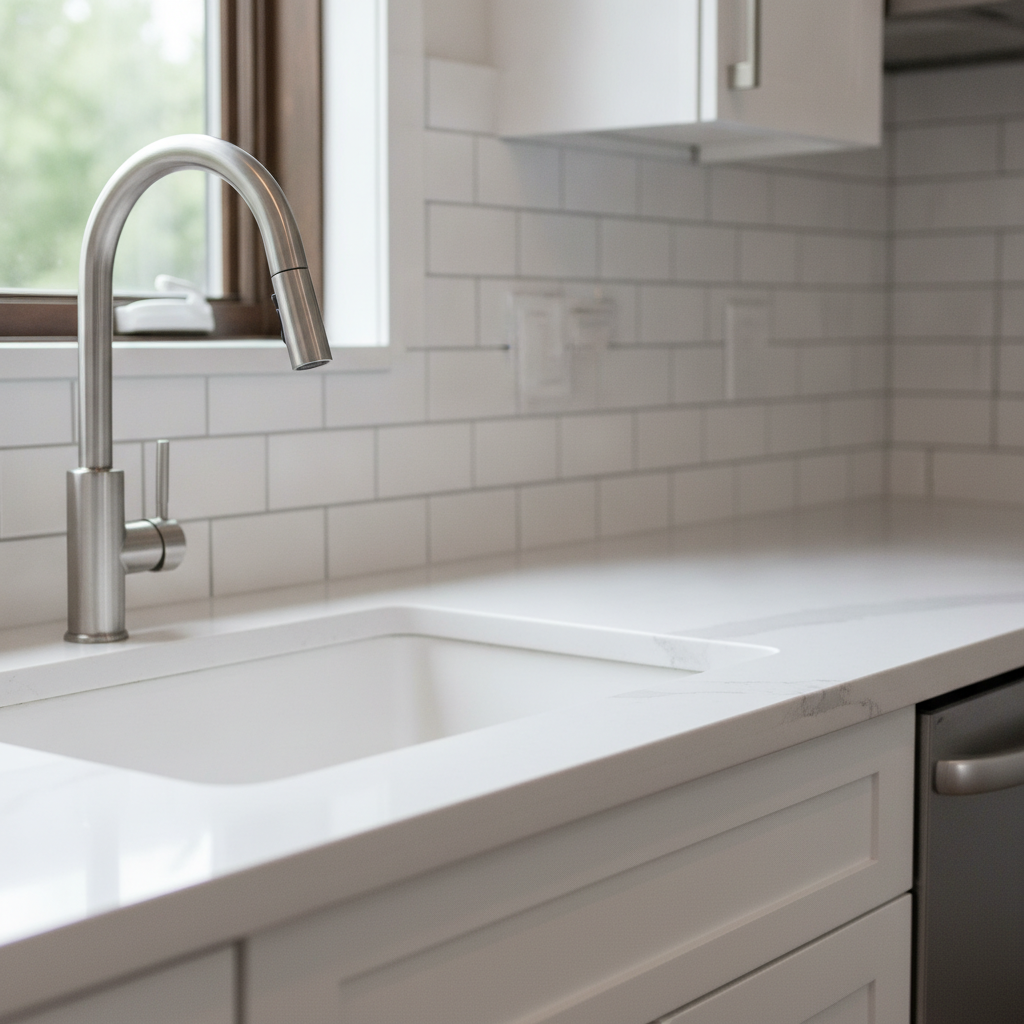
- Kitchen surfaces: Consider modern countertops and a clean subway backsplash.
- Bathroom spruce: Regrout, recaulk, replace a tired vanity mirror.
- Floor continuity: Fewer flooring transitions make spaces feel larger.
- Storage systems: Closet organizers and pantry pull-outs emphasize function.
Presentation and marketing
- Pro photography: Bright, consistent angles; dusk exteriors when helpful.
- Feature sheet: Bullet the benefits buyers care about (commute, schools, layout).
- Showing plan: Easy time windows and tidy staging increase dwell time.
Want renovation context specific to Brampton? Review this local renovation planning overview for ideas about scope and sequencing as you weigh updates.
Tools and Resources for Brampton Homeowners
Use a location-based search, an address-driven valuation, and clear buyer/seller guides to make smarter decisions. The right tools surface comparables faster, spotlight trends, and help you act with confidence in a dynamic market.
Our site is designed to shorten your path to clarity and action.
- Property search: Zero in on neighborhoods that fit your commute and lifestyle.
- What’s My Home Worth: Address-based insight to anchor early pricing conversations.
- Free VIP reports: Bite-sized market education for buyers and sellers.
- Featured listings: See how top-performing homes present themselves.
- Consultation: Review timing, comps, and upgrade priorities with a local pro.
Mid-article check-in
- Are you clear on your highest-impact improvements?
- Do you know which comps buyers will use against your home?
- Have you planned photos and showings around light and access?
Case Studies and Local Examples
Small, targeted upgrades and strong presentation routinely change outcomes. In our experience, homes that solve buyer friction—lighting, storage, and fresh finishes—earn more showings, shorter days on market, and cleaner offers than similar but tired listings.
Semi-detached with dated finishes
- Challenge: Great layout, but dark paint and older lighting limited appeal.
- Moves: Neutral repaint, warm LED package, and a minimalist staging plan.
- Outcome: More online saves and steady showings the first weekend.
Townhome with limited storage
- Challenge: Functional rooms felt crowded.
- Moves: Closet systems and pantry organizers; removed one bulky dresser.
- Outcome: Rooms photographed larger, buyers noticed the easy flow.
Detached near commuter routes
- Challenge: Buyers were comparing commute times.
- Moves: Clear highlight of nearest bus options and time-to-corridors in marketing.
- Outcome: Stronger interest from weekday commuters.

Pricing Signals and Perceived Value (No Dollar Figures)
Pricing is a strategy, not just a number. Align list price with verified comps and current competition, then reinforce value with spotless presentation and a launch plan that maximizes early showings and feedback loops.
- Anchor to comps: Use truly comparable recent sales; adjust for finishes and lot.
- Watch the actives: Today’s shoppers compare you against what’s live right now.
- Signal confidence: Crisp staging, disclosures, and pre-list inspections reduce friction.
- Monitor response: Early showing feedback often predicts offer quality.
Curious about planning new-build timelines as another option? This pre-construction overview outlines phases to consider if you’re weighing delayed occupancy against move-in-ready resale.
How to Apply This: A Step-by-Step Game Plan
Audit your home, study true comps, fix easy defects, refresh high-impact rooms, and launch with clean marketing. Then, track showings and feedback, and adapt quickly. This sequence protects momentum and helps you avoid preventable price reductions.
- Assess: Walk your home like a buyer. List visible flaws and layout bottlenecks.
- Compare: Pull recent, nearby sales with similar type, size, and finish level.
- Prioritize: Choose repairs and refreshes you can finish in 2–6 weeks.
- Prepare: Stage, photograph, and craft a features-forward listing description.
- Launch: Coordinate showings to capture peak weekend traffic.
- Refine: Use feedback and activity to adjust presentation or timing.
Tools, Checklist, and Quick Glossary
Keep a tight checklist and shared vocabulary. A one-page plan with comps, upgrades, and launch steps reduces stress and keeps everyone focused on buyer-visible results.
Seller prep checklist
- Repair: loose handles, leaky faucets, door latches, and trim scuffs
- Refresh: paint, caulk, grout, bulbs, and air filters
- Declutter: counters, closets, garage floor zones
- Stage: define flexible spaces (office, play area, gym)
- Market: schedule photos and create a succinct feature sheet
Buyer evaluation checklist
- Transit/schools: verify commute and catchments
- Layout: confirm flow, storage, and natural light
- Systems: age/condition of roof, HVAC, windows
- Comparables: recent sales and the best current alternatives
Glossary
- Comps: Recently sold similar homes used to gauge value.
- DOM: Days on market, a speed and demand signal.
- Stigma: Market resistance after too many days or a relist.
Resources and Helpful Reading
Context sharpens decisions. Study neighborhood trends, renovation scopes, and purchase pathways so you’re never guessing. Local reading helps set expectations about timelines and trade-offs.
Exploring broader Brampton housing categories can also help you understand how buyers browse and filter options. A simple scan of live categories—like this housing roundup—can reveal how property types and features are currently framed to the public.
Frequently Asked Questions
The most common questions from Brampton homeowners revolve around timing, upgrades, and how to read comps. Clear, concise answers help you act decisively without second-guessing every decision.
What impacts home value the most in Brampton?
Location, condition and updates, size and layout, school and transit access, and the balance of supply and demand are the main drivers. Homes that feel move-in ready and solve everyday living needs usually attract more showings and stronger offers.
Should I renovate before selling or price accordingly?
If cosmetic updates are achievable in a few weeks, they often pay off in photos, showings, and offer quality. If repairs are major or time-consuming, pricing and transparent disclosures can be smarter than rushing a partial renovation.
How do appraisers treat upgrades?
Appraisers compare your home to recent sales with similar features and then adjust for differences. High-impact rooms like kitchens and bathrooms, functional layouts, and overall condition typically carry the most weight in adjustments.
When is the best time to list in Brampton?
Spring usually brings more buyers and energy, while late summer and fall can be efficient for serious movers. Align your timing with school calendars, weather, and your readiness to present a polished, move-in-ready home.
Conclusion: Your Next Three Moves
Define your top three improvements, verify true comparables, and set a launch plan that makes touring effortless. That combination—clarity, presentation, and timing—does the heavy lifting for value in Brampton.
- Improve what you control: quick cosmetic fixes and functional wins.
- Study the comps: align with recent, nearby sales and current competition.
- Execute the launch: photos, showings, and feedback loops to maintain momentum.
Thinking about resale vs. new-build pathways? This pre-construction primer is a useful companion as you weigh timelines and selections against move-in-ready opportunities.
Work With a Brampton-Focused Realtor
You don’t need to guess. A focused CMA, a short improvement plan, and a clean launch can transform outcomes. If you want a second set of eyes on comps and presentation, reach out—we’ll build a practical, time-bound plan together.
- Call or text: 647-686-3069
- Ask for a quick CMA and improvement checklist tailored to your address
- Explore local listings to see how top results are presented